Security | Threat Detection | Cyberattacks | DevSecOps | Compliance

Cybersecurity Challenges in the Metaverse: How to Keep Your Assets Safe

Imagine you are chilling over coffee with your co-workers in a break room. The deadline for the launch of your newest product is imminent and you are discussing last-minute design modifications. Digital images of the product float by as your AI assistant suggests the best potential design modifications. Together, you and your team choose the final product design and are ready for the next step in the launch. Virtual high fives ensue.


Response to the Enduring Security Framework (ESF) Guide for Developers

At Snyk we invented developer-first security. We believe involving developers in the practice of security is key to building and running modern applications. This is exactly why the recent publication, Recommended Practices Guide for Developers by the The National Security Agency (NSA), Cybersecurity and Infrastructure Security Agency (CISA), and the Office of the Director of National Intelligence (ODNI) piqued our interest.

Defense Department's Multi-Cloud Cloud Strategy: A Role for SIEM

It’s difficult to recall a time over the last ten years when cloud requirements were not at the forefront of the Defense Department’s modernization efforts. Cloud capability reviews and requirements, in some form, extend from the Pentagon’s net-centricy efforts — to the Joint Information Environment, Digital Modernization, and up through to today.

UKG Video Blog - Tis the Season: Prepping for Benefits Enrollment and Year-End

Through UKG Pro, NeoSystems provides Payroll Administration and Tax Management, Compliance, Benefits Management, Open Enrollment, Recruiting, and On-Boarding as well as property, skills, and certification tracking – all through a cloud-based manager & employee self-service platform.

Is IoT Security Only as Good as The Weakest Link? A Guide to Protecting Your Security Environment In 2022

The Internet of Things (IoT) has been a rapidly implemented technology, with estimates suggesting that there will be over 50 billion devices connected to the internet by 2020. This number includes not only traditional computing devices, but also a wide range of “smart” devices including cars, appliances, and even medical implants. As these devices become more and more common, the need for effective security management becomes increasingly important.

Pros and cons of cybersecurity automation

Image Source: Pexels Cybersecurity threats are nothing new. Major corporations and small businesses alike are regularly faced with them. However, as technology continues to advance and change, so do those threats. Technological sophistication is important when it comes to providing us with the advancements we’ll eventually become used to. But that means cybercriminals are also becoming more sophisticated in their efforts. The solution? Cybersecurity has to become more sophisticated, as well.

How does Identity Verification enhance Remote Onboarding in Telecommunications?

One of the most cutthroat customer-facing sectors is telecommunications. Most customers make their choice of a new supplier in a matter of minutes solely based on first impressions and brand awareness. Every point of contact with customers must be optimised by providers, and Identity Verification is key factor. Due to a lengthy and time-consuming SIM Card registration process, many excellent brands regrettably lose clients right away.

CrowdStrike Introduces Sandbox Scryer: A Free Threat-Hunting Tool for Generating MITRE ATT&CK and Navigator Data

Threat hunting is a critical security function, a proactive measure to detect warning signs and head off attacks before a breach can occur. Scaling threat hunting capabilities involves quickly deriving actionable intelligence from a large number of behavioral data signals to identify gaps and reduce time to respond.

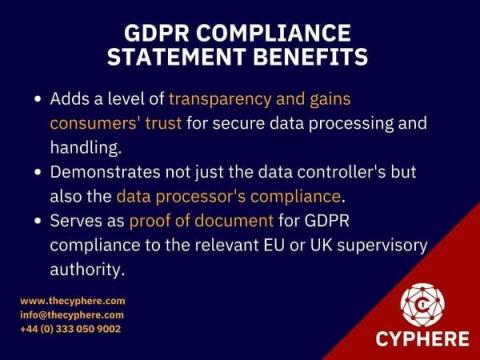
How to write a GDPR Data Protection Policy? Free Template

Data privacy rules have never been crucial for organisations to follow until the General Data Protection Regulation (GDPR) enforcement. This blog is divided into two sections. The first section will discuss a general overview, definitions and common queries related to a data protection policy. The second section will explain how a business can write and operationalise a data protection policy.