Security | Threat Detection | Cyberattacks | DevSecOps | Compliance

What is Grid Pattern Matching: A Complete Comprehensive Outlook

We are always on the lookout for different solutions to safeguard our digital assets and accounts from potential cybercriminals. One such solution is the Multi-Factor Authentication (MFA). This authentication solution adds an extra layer of security on top of credential-based login, making the accounts more secure. It comprises several key methods—OTP over SMS/email, security questions, biometric authentication, push notification, and more.

Web Filtering vs Firewall: Key Differences Explained

An employee receives what looks like a routine email. Maybe it’s a shared document link, a shipment update, or a tool they already use. Nothing feels off. They click. Within seconds, a malicious script runs in the background. No warning. No alert. And the firewall? It didn’t block it. This isn’t an edge case. It’s how many modern attacks actually begin. Not by breaking in, but by being let in. Traditional network defenses were built to block external threats at the perimeter.

Why Shopify B2B Merchants Seek Flexible Storefront Authentication Options

Imagine this: you're running a Shopify Plus store that supplies products to several companies. One customer wants their employees to log in with a simple email and password. Another asks if their staff can use a secure company login. A third keeps requesting one-time passwords for quick access. Managing all these different expectations is difficult since Shopify only offers one login method, i.e., email OTP, and forcing everyone to use it is a headache.

Privileged Access Governance (PAG): What It Is & Why It Matters

Your Privileged Access Management (PAM) tool is running. Your vaults are configured. Your sessions are monitored. And somewhere in the environment, a former contractor’s account still has domain admin rights. This is the problem that Privileged Access Governance (PAG) solves. In this blog, we'll see why having the right Privilege Access Management tools isn’t the same as having privileged access under proper control.

Identity and Access Management (IAM) Use Cases

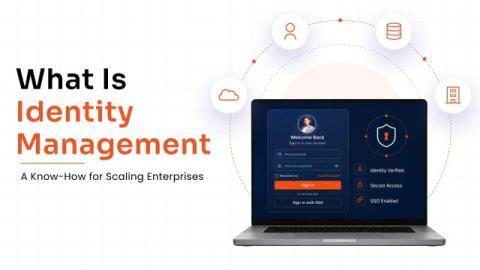
Before the COVID-19 pandemic, when hybrid and remote work became common, Identity and Access Management (IAM) worked in the background. It was important, but mostly invisible outside IT and security teams. That’s not the case anymore. Today, identity shows up in almost every digital interaction. Employees move between devices. Customers expect sign-ins to just work. Compliance teams want clear answers about access trails. Industry trends reflect this shift.

Secure Jira Cloud REST API Integrations: Beyond Atlassian Native Authentication

Jira Cloud APIs are widely used for automation and integrations across CI/CD, DevOps, reporting, and internal tools. Atlassian provides native REST API authentication using API tokens and OAuth. This works well for simple scripts and internal automation. However, modern organizations often require stronger controls when APIs are used by multiple services, integrations, and automated systems. As integrations grow, teams often need a more controlled authentication model than user-based tokens alone.

How to Set Up Salesforce SSO for External Users Without Paying Per-User Licensing Costs

More than 150,000 businesses worldwide run on Salesforce, and for most of them, the CRM already holds the most complete and up-to-date picture of who their customers and partners are. That makes it a natural foundation for identity management, not just for internal employees but also for the external users who interact with your portals, applications, and partner platforms every day.

Joiners, Movers, and Leavers (JML): What It Is, & Why It Matters

Modern organizations frequently onboard new employees, manage internal role changes, and handle departures across multiple business applications. Without a structured identity lifecycle, access requests become manual, inconsistent, and difficult to track. This directly affects security, operational efficiency, and audit readiness. A defined JML process in IAM ensures that the right users receive the right access at the right time while reducing administrative overhead.