Security | Threat Detection | Cyberattacks | DevSecOps | Compliance

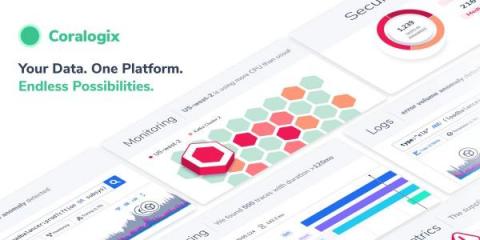
Beating the Security Talent Problem: The SRC Solution

In an era where digital threats are evolving rapidly, the need for skilled security professionals is at an all-time high. Companies are grappling with a unique dilemma: the acute shortage of top-tier talent in the cybersecurity realm. But hiring an entire team poses its own set of risks. From the complexities of team dynamics to the cost of hiring, the constant upskilling and the ongoing retention efforts, these risks and costs stack up quickly.
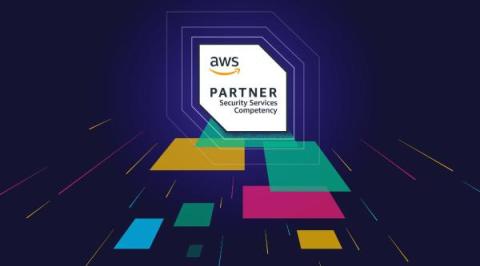

Coralogix Receives AWS MSSP Competency

With the increasing sophistication and frequency of cyber threats, companies often rely on partners to help provide security services and solutions. Amazon Web Services (AWS) Managed Security Service Provider competency is a hallmark of reliability for MSSPs and other vendors, signifying their capability to provide effective security solutions on AWS’s robust platform.

Okta Threat Advisory from Coralogix

On October 20, 2023, Okta Security confirmed malicious activity that exploits stolen credentials, allowing unauthorized access to the company’s support case management system. Several other vendors such as BeyondTrust were also affected by the incident and have since shared their own disclosures. Overall, the incident has ignited substantial concerns over its capacity to trigger a supply chain compromise.

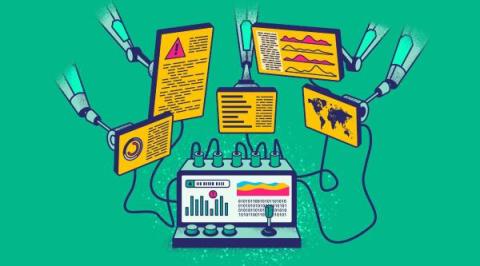
Security Insights: Over 1,000 Alerts & Dashboards in One Click

Ingesting data in the security world is only half of the battle. The second half is fought over insight generation. As security professionals, we understand that every second we spend creating dashboards, alerts, or parsing rules is a potential window of vulnerability, assuming this capability even exists within the organization.

Threat Intelligence Feeds: A Complete Overview

Cybersecurity is all about staying one step ahead of potential threats. With 1802 data compromises impacting over 422 million individuals in the United States in 2022, threat intelligence feeds are a key aspect of cybersecurity today. These data streams offer real-time insights into possible security risks, allowing organizations to react quickly and precisely against cyber threats. However, leveraging threat intelligence feeds can be complicated.

Monitoring Financial Data Security And What To Know

The Fintech industry deals with financial and personal data of customers on a massive scale. From credit card transactions to identity verification details, companies collect and process huge amounts of sensitive data, making them an attractive target for cybercriminals. To ensure the highest standards of data protection and risk management, constant monitoring and analysis of security data is crucial.

Gaming Risks: 9 Red Flags You Have a Security Breach

The rapid growth of the gaming industry over the past 20 years has attracted undesired attention from hackers and cybercriminals, making it imperative to address the risks and vulnerabilities that can compromise the security of gaming apps. To better prepare against future attacks, you need to know what are the exact online gaming risks. In this article, we will explore the challenges of online gaming security and highlight top key indicators of a security breach.

A Guide To Container Security - Best Practices

With over 7.3 million docker accounts created in 2021, Docker’s popularity has seen a meteoric rise since its launch in 2013. However, more businesses using it also means attackers are incentivized to target docker vulnerabilities. As per a 2020 report, 50% of poorly configured docker instances were subjected to cyber-attacks. And it’s not that easy to spot these poor configurations either because you must conduct checks at multiple levels.

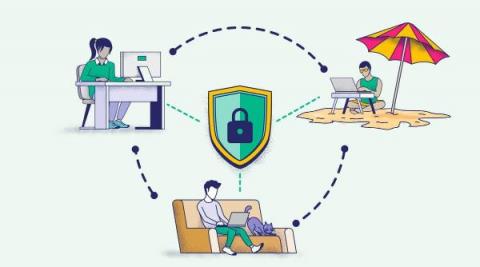
Centralized Log Management: Why It's Essential for System Security in a Hybrid Workforce

Remote work increased due to Covid-19. Now heading into 2023, remote or hybrid workplaces are here to stay. Surveys show 62% of US workers report working from home at least occasionally, and 16% of companies worldwide are entirely remote. With a hybrid workforce, security breaches from sources were less typical with in-office work.