Security | Threat Detection | Cyberattacks | DevSecOps | Compliance

LimaCharlie's Maxime Lamothe-Brassard: Rethinking how cybersecurity tools are sold - less snake oil, more focus on capabilities

In our third episode, we speak with Maxime Lamothe-Brassard — CEO and founder of LimaCharlie, a security infrastructure as a service tool that gives security teams full control over how they manage their security infrastructure. Maxime’s unique perspective comes from a career in security, including Canada’s NSA, Arc4dia, and the early days of CrowdStrike and Google Chronicle.

Five questions with Enterprise Account Executive Chris Gowans

Enterprise Account Executive Chris Gowans helps potential customers understand how they can scale more effectively and efficiently with our no-code automation platform. Chris ensures every impression counts, from gathering information on discovery calls to closing deals and shaping creative customer-facing efforts! Read on to learn more about his day-to-day at Tines.

Elastic's James Spiteri: Why SecOps teams need to focus on small incremental wins and not try to boil the ocean

In our second episode, we speak with Elastic’s Product Marketing Director James Spiteri, an experienced security practitioner turned product marketer with a passion for making security accessible and easy for anyone and everyone.

What are the top tasks ready for automation, according to security analysts?

What's frustrating security analysts on a daily basis? When we asked that question in our recently published 'Voice of the SOC Analyst' survey, the number one answer was "spending time on manual work" like reporting, monitoring, and detection. Why would that frustrate them? Manual tasks are repetitive, mundane, and tedious, and force analysts to spend most of their day or week chasing down answers or following up on alerts, only to do it again the next day.

Moving from reactive to proactive through automation

Analysts are being weighed down by mundane, tedious tasks, preventing them from doing their best work, causing burnout, and leading them to the point of wanting to leave their jobs. SOC analysts' biggest frustration and one of their top challenges is having to spend time on manual tasks, according to our recent report, 'The Voice of the Analyst.' These tasks are not only repetitive, but they're taking them away from more engaging, higher-impact work.

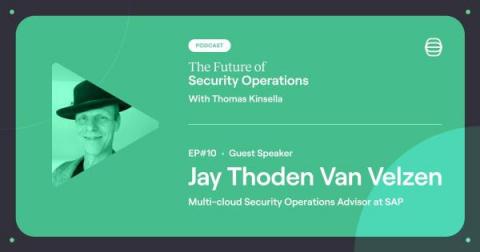
Introducing 'The Future of Security Operations,' our brand new podcast series

Today we’re excited to announce our new podcast – 'The Future of Security Operations.' Our first episode is with MongoDB’s CISO Lena Smart, and every other week from now on, we’ll have a new episode with another expert. I wanted to take a few minutes to explain why we’re launching this podcast and what you can expect to gain from listening.

Chatbots for security and IT teams (Part 5): Microsoft Teams

This blog is a continuation of our series on working with chatbots leveraging Microsoft Teams. In Part 1 of this series, we examined how to set up a chatbot within Microsoft Teams. In Part 2, we explored how to send rich notifications using Cards and use the Microsoft Graph API and the chatbot to proactively find and contact users within Microsoft Teams.

Top 10 challenges preventing security analysts from doing their best work (based on data)

Security teams want to accomplish their best work — but they're being prevented from doing so. We recently surveyed 468 full-time security analysts for our 'Voice of the SOC Analyst' report to learn more about their day-to-day workloads, successes, and concerns. What we found was that seven out of ten analysts are either somewhat or very burned out, and that six out of ten analysts want to find a new job in the next year.

What's on your security roadmap? Cybersecurity forecasting from an IoT ecosystem

Since joining a restaurant chain more than three years ago, this Chief Information Security Officer (CISO) has been a driving force behind its ability to stay ahead of the security curve. Here, they share why they’re focusing on securing third-party access, customer identity and access management, security awareness training, software assurance, and situational awareness and response for the foreseeable future.

What organizations can do to retain security analysts - according to security analysts

63%. That's the number of SOC analysts who say they are likely to switch jobs in the next year, according to our Voice of the SOC Analyst report. Considering that SOC teams are understaffed and that the cybersecurity industry as a whole is facing severe staffing shortages, team leaders need to ensure that they're doing everything they can to retain their talent. However, SOC leaders may not know exactly what approach to take.