Artificial intelligence (AI) is the term on everyone's lips. As a powerful tool that can simplify our daily lives, it has become a technological revolution that impacts us all.
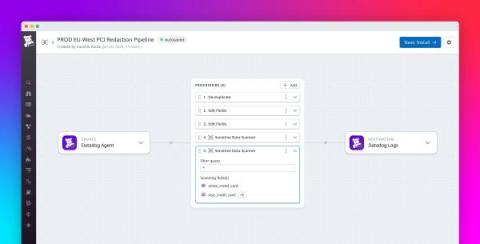
As your business evolves to serve more users, your applications and infrastructure will generate an increasing volume of logs, which may contain sensitive data such as credit card numbers, IP addresses, and tokens. When you collect sensitive data, you may be subject to laws such as GDPR—which restricts the transfer of personal data across borders, and you may face legal consequences if this data is exposed outside your infrastructure.
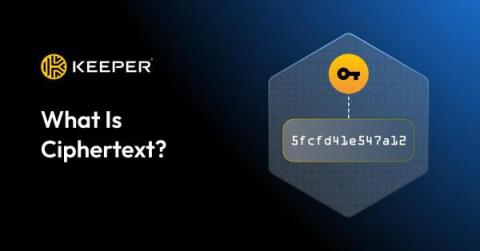
Ciphertext refers to data that is encrypted and unreadable. The only way to read encrypted data is by decrypting it using an encryption key. Since ciphertext can’t be read without providing the encryption key, it’s the best way to protect your sensitive data from prying eyes and unauthorized access. Continue reading to learn more about ciphertext and the important role it plays in cybersecurity.
April 16, 2024: UnitedHealth Group, parent of Change Healthcare, reported on April 16, 2024 in its Q1 results a negative impact of $872 million “in unfavorable cyberattack effects” due to cyberattack direct response costs and the business disruption impacts. The company anticipates additional costs associated with the attack.
A Vendor Risk Assessment (also referred to as a third-party risk assessment) is a critical component of a Vendor Risk Management program. As such, the overall impact of your VRM efforts hangs on the efficiency of your vendor risk assessment workflow. This post outlines a framework for implementing a streamlined vendor risk assessment process to prevent potential data breach-causing third-party security risks from falling through the cracks.
As digital transformation continues to multiply pathways to personal data, complete GDPR compliance is getting harder to attain. Whether you’re a data protection officer or a cybersecurity professional helping your organization remain compliant, this blog suggests advanced GDPR compliance strategies you may not have yet considered - beyond that delightful cookie consent notice we all love.
A Vendor Risk Management framework is the skeleton of your VRM program. Without it, your Vendor Risk Management program will collapse under a heavy burden of inefficient processes. This post outlines the anatomy of an effective VRM framework to help you seamlessly manage security risks in your third-party network.
The world advances based on innovation, and innovation can come from anywhere. The trouble is that the current capitalist economic system encourages large corporations to play conservatively with their products and their budgets while working to secure their own positions in their industries. It becomes quite difficult for a new small business to enter the field, especially if they’re trying to enter a field that requires substantial facilities, research, or resources to get established.
A hacker known as "IntelBroker" has purportedly breached Space-Eyes, a geospatial intelligence firm, potentially exposing sensitive US national security data. Authorities are currently investigating the claim, recognizing the potential ramifications it could have on critical government operations.
Data breaches and external threats are concerns for any security professional, but the most catastrophic security vulnerabilities often originate from malicious insider threats. This is not just an issue, it’s a pressing and immediate concern that demands our utmost attention. Here, we identify how to spot a malicious insider and provide proven strategies for preventing insider threats with technology-based solutions to protect your organization.