Security | Threat Detection | Cyberattacks | DevSecOps | Compliance

Domain (in)security: the state of DMARC

As people have grown comfortable with e-commerce and email correspondence, the techniques of scammers have become increasingly sophisticated and hard to detect. Many of us have heard of phishing attacks, in which bad actors coerce people into handing over sensitive information. These are usually carried out by impersonating a trusted third party – and overwhelmingly through email (Deloitte, 2020).

How to monitor your organization's presence on the dark web

Googling your organization’s name will bring up all sorts of information. However, there’s more to the internet than the surface web that’s accessed through regular search engines: the deep web and the dark web. To stay ahead of potential threats and maximize incident response performance, security teams need a complete view of their organization’s presence across all areas of the internet.

The scope of cybersecurity in 2024: Predictions from the experts

Coming into 2023, we predicted that the economic downturn would fuel sophisticated fraud, the growth of serverless workloads will increase the attack surface, and there would be more MFA bombing attacks. As we look to 2024, Outpost24’s team of security experts have predicted the emerging threats that will shape the cybersecurity landscape. Dark AI tools, and a shift in security priorities are some of the challenges that organizations will face.

Streamline your security workflows with these 3 shortcuts in Tines

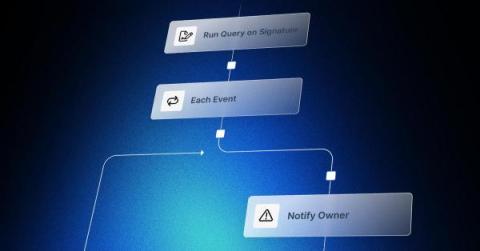
Looking for ways to simplify your cloud DLP workflows in 2024? Read on for 3 ways that Tines—our go-to secure workflow builder—can make your resolutions a reality. First, let’s learn a little about how Tines works. In short, Tines helps users to create “stories” (aka workflows) that streamline communications, automate tasks, and more. Tines stories can take any number of twists and turns by: But how can you put these actions into practice?

What Is the Future and Technology of Zero Trust?

In the dynamic realm of cybersecurity, the future of Zero Trust unfolds with promises and challenges. In the second part of the Zero Trust series, we explore the insights from industry experts, contemplate the intersection of trust and security, and chart a course for the evolving landscape of digital defense.

CyberArk Labs' 2023 Threat Research Highlights

Throughout an eventful 2023, CyberArk Labs remained focused on uncovering emerging cyberattack patterns and producing threat research aimed at helping organizations strengthen their identity security defenses. We covered a lot of ground this year and had the opportunity to share our findings at events around the world. Today, we’re revisiting some notable threat research projects from 2023.

Windows 11 Explained: What Do Developers Need To Know About

Windows 11 is the new and trending operating system in the industry. Everyone, from end-users and administrators to software developers, is using it. However, there’s still a question: what exactly does Windows 11 hold for developers? Moving from one OS version to another can be a lot of change for software curators. So, here we have gathered all the details about Windows 11 functionalities and features, helping developers improve efficiency, build high-end apps, and streamline workflow.

Ultimate List of Cybersecurity Regulations by Industry

Cybersecurity is becoming a critical concern as various industries depend on digital infrastructure. To protect sensitive information from cyber threats, governments worldwide have introduced cybersecurity regulations for specific sectors that help secure digital ecosystems and prevent cyber attacks. Understanding the specific regulations for your organization’s industry is essential for risk management.

5 Essential Considerations for Effective Cloud Data Protection

Nothing significant gets done in today’s business world without data. For example, every business depends on insights gathered from data to make informed decisions and stay competitive. In fact, studies show that data-driven organizations are 23 times more likely to acquire customers than those that are not data-driven. Data is so crucial in modern businesses that there are laws in place to guide companies on storing and managing data. But where is all this data stored? The cloud, mostly.