Security | Threat Detection | Cyberattacks | DevSecOps | Compliance

Digital Risk Protection: a CISO friendly tool

Explore how Digital Risk Protection can benefit Chief Information Security Officers (CISOs) in safeguarding their organizations against online threats. Understanding Digital Risk Protection Digital Risk Protection refers to the set of tools and strategies used to identify, monitor, and mitigate digital risks that organizations face in today's digitally connected world. These risks can include data breaches, cyber-attacks, brand impersonation, and other online threats.


Expanding Horizons: LevelBlue Enhances MSSP Offerings with Government Cloud Support

In today's digital landscape, cybersecurity is paramount, especially for government agencies entrusted with safeguarding sensitive data and critical infrastructure. Recognizing this need, LevelBlue is proud to announce the availability of its latest offering: support for Managed Security Service Providers (MSSPs) in the Government Cloud.

Defending the Energy Sector Against Cyber Threats: Insights from Trustwave SpiderLabs

It has always been clear, even before the Colonial Pipeline attack, that the energy sector is a prime target for not only criminal threat groups, but also nation-state actors. After all, halting fuel and energy supplies can quickly bring a region to a halt and thus require the highest level of cyber and physical security possible.

How Should Sensitive Information Be Stored?

When we think about storing sensitive information, two types of information come to mind: digital data and physical data. While physical data can be securely stored in a physical vault, digital data should be stored in an encrypted cloud storage solution to protect it from common cyber threats. Continue reading to learn the best ways to store your sensitive physical and digital information, plus the storage methods to avoid.

Compliance, collaboration, and communication: The benefits of NIST CSF 2.0

As regulatory mandates and frameworks continue to emerge, cybersecurity leaders must continue to adapt to more than just the latest threat actor tactics, techniques, and procedures. As part of our ongoing webinar series centered on compliance, SecurityScorecard’s Senior Product Marketing Manager, Devaney Devoe, moderated a discussion with Adam Bixler (Principal, Squadra Ventures), Christopher Strand (SecurityScorecard’s Global Risk Officer), and Steve Cobb (CISO, SecurityScorecard).

Hacktivism Roundup Q1 2024: Warfare in the Digital World

The realm of hacktivism is rapidly expanding, its contours continually shifting and adapting to the geopolitical climate. Within this dynamic landscape, specific regions and industry sectors face heightened risks. Hacktivism, by its very essence, thrives in the public eye, as its actors strive to effect political or social change.

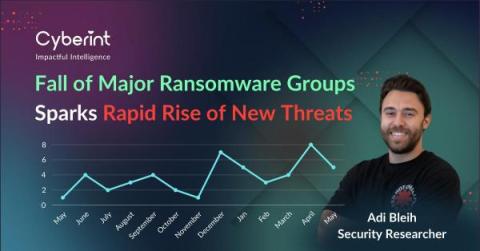
Fall of Major Ransomware Groups Sparks Rapid Rise of New Threats

In 2023, international law enforcement agencies intensified their efforts against ransomware, resulting in the decline of groups such as Hive, Ragnar Locker, and the collapse of ALPHV (BlackCat). These actions underscore the growing challenges faced by ransomware groups. The significant operation in February 2024 targeting LockBit, which included arrests and the seizure of data leak sites and servers, represents one of the largest law enforcement actions taken against a major ransomware operation.

The Biggest Security Nightmares from 2023 and How They Could Ruin Your 2024

It feels like the number of security issues affecting vital internet-exposed assets is never-ending. No one can predict the next big vulnerability. But exposure management techniques can help prepare your organization for a wide range of issues by identifying, validating, and mobilizing your response to emerging threats. These processes also include validating fixes and issues, a well-documented mobilization process, and automatic scanning for high value assets.