Security | Threat Detection | Cyberattacks | DevSecOps | Compliance

Beware of Fake Cybersecurity Audits: Cybercriminals Use Scams to Breach Corporate Systems

Companies are being warned that malicious hackers are using a novel technique to break into businesses - by pretending to offer audits of the company's cybersecurity. With ransomware and other cybersecurity threats high in the mind of many business owners, it is all too easy to imagine how many companies might react positively to an invitation to have the security of their networks tested.

Protect Yourself from Package Delivery Scams: Tips to Identify, Avoid, and Act

Package delivery has become an essential element of modern life, with estimates that the global delivery market will generate over $118 billion of growth from 2024 to 2028. Estimates of this size reflect the global attitude toward package deliveries—they’ll only become more of a necessity as time goes on. However, where consumers see necessity, scammers see opportunity.

Top 7 Enterprise Fraud Management (EFM) Solutions

Today, fraud schemes don’t follow predictable patterns. Enterprises are up against AI-generated deepfake attacks, multi-stage social engineering, and impersonation scams that exploit gaps in traditional fraud prevention strategies. And they know it. According to PwC, 59% of enterprises completed a fraud risk assessment in the 12 months prior to June 2024, showing they take fraud protection seriously. But beyond knowing your risks, there’s a need for better ways to tackle and mitigate them.

Deepfake Reality: My Experience as a Target

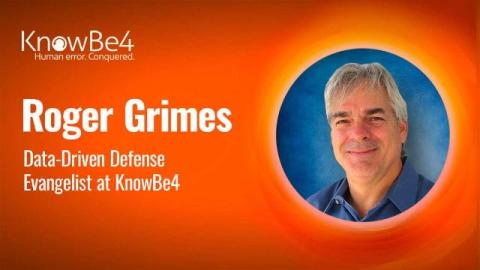
Cybersecurity has been my world for years. I’ve worked hard to build my reputation, moving from the hacker underground to a trusted boardroom expert. I take my role seriously because trust and credibility define success in this field. But I recently discovered that even with all my experience, I wasn’t immune to one of today’s fastest-growing threats—deepfake technology.

How to spot job scams that leverage social engineering

From fake job postings to fake candidates, it’s clear the job market has changed in the past few years. Finding a job ad that sparks your interest is now only half the battle — the other half is making sure it’s not a scam. I see three or four LinkedIn posts about job searches and applications gone wrong every day. I’ve read tales of recruiter impersonations, postings for roles that don’t exist, and ads that demand money in order to apply.

What is a Ticket Scam and How to Spot a Ticket Scammer

In 2015 the Better Business Bureau (BBB) received its first Taylor Swift ticket scam report, sent to its online Scam Tracker. Since then, over 150 reports have appeared about Taylor Swift scammers—most happening in 2024. Taylor Swift’s fans aren’t the only group targeted by ticket scammers either; these scams can target the audiences of concerts, sports games, festivals, events, and more.

Phishing for Love: A Sharp Surge in Valentine's Day-Themed Scams

This Valentine’s Day, Cupid wasn’t the only one taking aim. Our Threat Research team noted a 34.8% increase on Valentine-related threat traffic in comparison to February of 2024. Leveraging impersonation and social engineering techniques, attackers have used a seasonal event to exploit heightened emotions and a sense of urgency, effectively increasing the likelihood of success in their phishing campaigns.