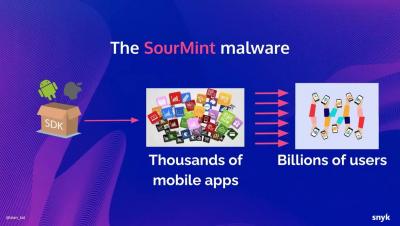
Software supply chain attacks are on the rise – the attacks increased by more than 600% between 2020 and 2021. On RubyGems, the official package repository for the Ruby programming language, attackers usually take advantage of the implicit trust developers have on the gems deployed on the platform and infect them with malicious code.
As the partnership between Snyk and Atlassian continues to grow, we decided to put together a best practices cheat sheet to help you make the most of our integration with Bitbucket. This will help you use Bitbucket more securely to manage and store your code, as well as continuously monitor your code and dependencies for potential vulnerabilities using Snyk. Here are the seven best practices we’ll discuss in this post: Download the cheat sheet
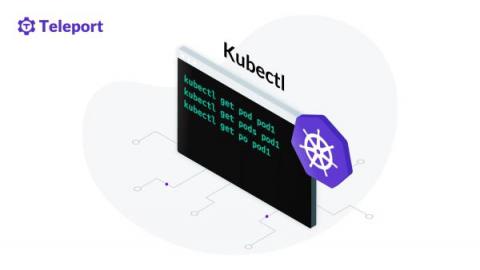
In the last few years, Kubernetes has grown exponentially in popularity. Its wide adoption can be attributed to its open source nature, flexibility, and ability to run anywhere. Developers also love the fact that you can manage everything in Kubernetes using code. kubectl is the Kubernetes-specific command line tool that lets you communicate and control Kubernetes clusters. Whether you’re creating, managing, or deleting resources on your Kubernetes platform, kubectl is an essential tool.
We’re excited to announce that infrastructure as code (IaC) and container security are joining code and open source dependency security in the free Snyk plugin for JetBrains IDEs. As of today, developers using JetBrains IDEs can secure their entire application with a click of a button. Snyk Security for JetBrains increases code security and reduces time spent on manual code reviews by empowering developers to find and fix issues within their JetBrains IDEs.
ITOps, SecOps, and DevOps may sound similar. Indeed, they are similar - to a degree. But they have different areas of focus, different histories, and different operational paradigms. Keep reading for an overview of what ITOps, SecOps, and DevOps mean and how they compare. We'll also explain where DevSecOps fits into the conversation - and why you shouldn't worry so much about defining these terms perfectly as you should about finding ways to operationalize collaboration between your various teams.
Developers take a lot of pride in their work. We strive to consistently deliver the best code and avoid dangerous edge-cases. Which is why we aim to detect and remediate bugs before they ship through testing and code reviews. However, when it comes to security, sometimes we fall flat. When a team lacks the proper security tooling, it can stunt development, create extra work, and deliver dangerous security defects to clients and end-users.
OpenSSH ProxyJump and ProxyCommand directives tell the SSH client how to connect to a remote server via an intermediary server — often called a jump host, jump server, or bastion server. If you are new to jump servers, read our tutorial on how to set up a jump server and learn some of the best practices to secure them.