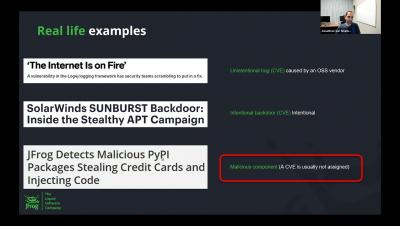
More than ever, developers are building web applications on the foundations of open source software libraries. However, while those libraries make up the software bill of materials (SBOM) components inventory, not all developers and business stakeholders understand the significant impact on open source supply chain security that stems from including 3rd party libraries.
SSH has always been the default mechanism to get remote shell access into a running Unix or Linux operating system from a terminal client to execute commands. While SSH is familiar, Docker provides more lightweight and easier-to-use methods that don’t require running your container with an SSH server. This post will explore two methods to get shell access into a Docker container using OpenSSH and the docker exec command.
A month ago I tweeted about my annoyance with SSO or Single Sign On. While single is in the name, I’m required to “single sign on” multiple times a day. I’m not the only one; the tweet went viral with over 25k likes and 2 Million impressions. The tongue-in-check tweet created a lot of fun responses and more rage against SSO user experience than I expected. SSO was meant to solve password fatigue but we got something worse.
Static Application Security Testing (SAST) is an effective and well-established application security testing technology. It allows developers to create high-quality and secure software that is resistant to the kinds of attacks that have grown more prevalent in recent years. However, the challenge with SAST is that it tends to produce a high number of false positives that waste the time of your engineering team. In this blog we take a look at SAST and the problem of false positives.
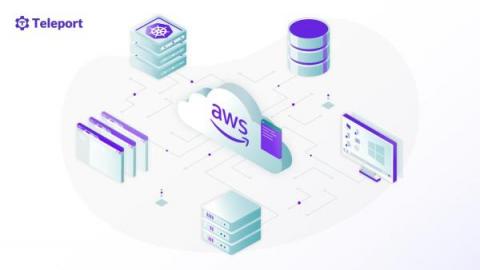
More and more business-critical applications run on Amazon Web Services. Protecting these mission-critical applications from potential attacks requires moving beyond typical security approaches such as using only a jump box or firewall to control access. This multi-part tutorial will show how DevOps teams can secure their AWS services using a zero-trust, identity-based approach that not only increases security, but improves developer productivity.