Security | Threat Detection | Cyberattacks | DevSecOps | Compliance

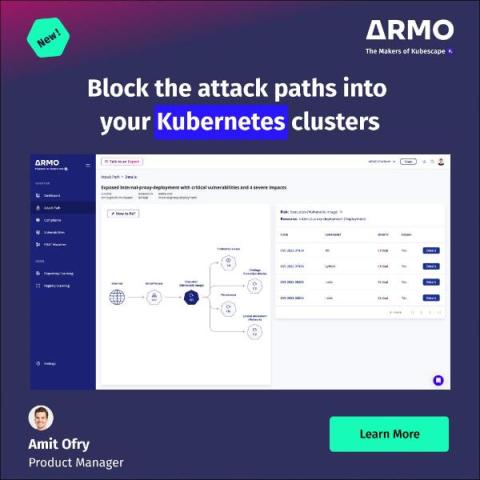
Block the attack paths into your Kubernetes clusters

In today’s world of limited time, we need to be laser-focused on our priorities. This goes double for mission-critical activities, like cybersecurity. We want to prioritize fixing the issues that have the most significant impact on our security posture. An attack path is like a roadmap for attackers, outlining the steps they can take to exploit security weaknesses.

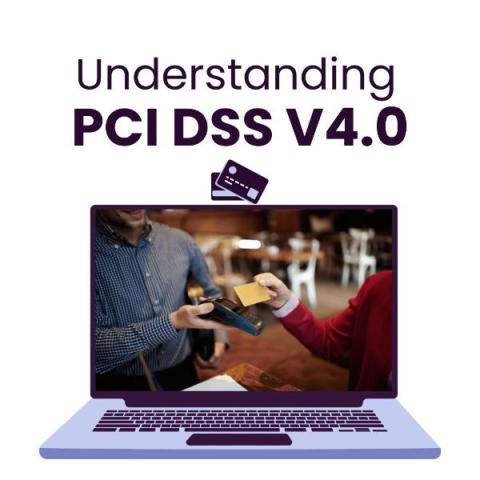
Understanding PCI DSS v4.0

The Payment Card Industry Data Security Standard (PCI DSS) are commonly followed by organizations that handle credit card transactions to ensure the security of cardholder data. Since standards and requirements can change over time, it’s essential to refer to the most recent version of the PCI DSS v4.0 standard for the most up-to-date information. PCI DSS v4.0 was updated in April 2022. The description of the updated change from PCI DSS v3.2.1 to PCI DSS v4.0 states.

Add to Your AppSec Arsenal with Mend.io's Integration with Secure Code Warrior

We’re delighted to announce that Mend.io has launched a new integration with Secure Code Warrior®, a platform that provides secure coding training and tools that help shift developer focus from vulnerability reaction to prevention.

Let's Embrace Death in the Software Development Lifecycle

The leaves are turning brilliant colors before they fall off and blow away here where I live just a few minutes outside of Salem, Massachusetts where autumn — Halloween specifically — is a very big deal. I’m not morbid but it’s a natural time to think about how things wind down and finally breathe their last breath. Nothing lasts forever. Not trees. Not animals. Not people. Not cars. Not houses. Not software. Especially not software.

Unveiling Secrets Detection with JFrog Frogbot

In today’s interconnected world, secrets are the keys to unlocking sensitive data and systems. Like hidden gems for attackers, any inadvertent exposure of these secrets could lead to data breaches, unauthorized access, and security compromises. As organizations adopt DevOps practices, artifacts containing secrets are often stored and shared across various stages of the software supply chain, amplifying the risk of exposure.