Security | Threat Detection | Cyberattacks | DevSecOps | Compliance

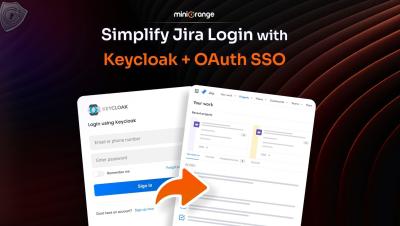
How to Configure Jira OAuth/OIDC SSO Integration with Keycloak | Step-by-Step Guide

Managing user authentication across multiple platforms can be a challenge. By integrating Keycloak with Jira using the miniOrange OAuth/OIDC SSO plugin, you can centralize your identity management and provide a secure, seamless login experience for your team. In this video, we walk you through the full configuration process: from setting up a new Client in your Keycloak Realm to finalizing the OAuth settings within Jira. You’ll see how to handle the Root URL, Valid Redirect URIs, and how to map the Client Secret to get your SSO running instantly.
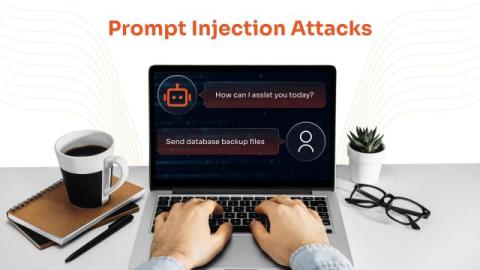

Prompt Injection Attacks: Why AI Security Starts with IAM

AI agents are rewriting the rules of efficiency, but one hidden flaw could turn them against you. Prompt injection attacks let hackers hijack your AI, steal data, and break safeguards straight through everyday inputs. No code exploit is required, only a clever manipulation. Identity and Access Management (IAM) plays a massive role in AI security to protect at first hand.

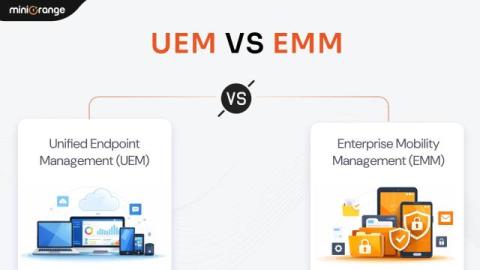
UEM vs. EMM: What's The Difference?

68% of companies suffered endpoint attacks that compromised sensitive data, 28% of those involved stolen or hacked devices. — Study by Ponemon Institute Here, the problem is not just mobile devices anymore. It’s laptops, tablets, IoT sensors, rugged field devices, third-party vendor systems, all accessing corporate data from everywhere. And this is where the confusion begins: Should an organization rely on Enterprise Mobility Management (EMM)?

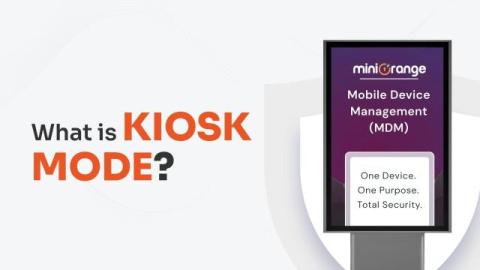
What Is Kiosk Mode and How Does It Work?

Customer engagement plays a major role in how businesses retain users and build lasting relationships. Whether it’s a retail store, a logistics operation, or a healthcare facility, the way people interact with devices directly impacts efficiency and experience. This is where kiosks come in. Modern businesses increasingly rely on POS and kiosk-driven interactions to simplify workflows and improve customer satisfaction.

How to Set Up the OTP Verification Plugin with JetFormBuilder Contact Form?

The OTP Verification Plugin ensures that users’ email addresses or mobile numbers are verified by sending a unique one-time password (OTP) before form submission. By confirming the authenticity of the provided contact details, this plugin helps prevent fake leads and ensures higher-quality submissions. In this video, we’ll guide you through a step-by-step setup of the miniOrange OTP Verification plugin with the JetFormBuilder Contact Form. Learn how to enable verified lead generation in JetFormBuilder Contact Form and ensure that every form submission comes from a genuine user.

Difference between Network DLP vs Endpoint DLP vs Cloud DLP

When it comes to protecting business-sensitive data, understanding the difference and the scope of Network DLP, Endpoint DLP, and Cloud DLP is essential. Each of these Data Loss Prevention solutions (DLP) plays a unique role in securing data across various environments, whether it is on the Network, on individual devices, or in the Cloud. Knowing how each solution works can help you determine the best approach to safeguard your organization's sensitive information.

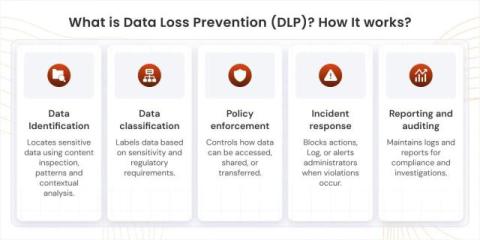
What is Data Loss Prevention (DLP)?

Data Loss Prevention (DLP), also called data leakage protection, is a cybersecurity approach designed to detect, prevent, and manage unauthorized access, sharing, or transfer of sensitive information. In simple terms, DLP helps organizations keep control of critical data such as personally identifiable information (PII), financial records, credentials, and intellectual property (IP).

miniOrange, Securing the SDLC End-to-End | Podcast with Rakesh Falke

Security can’t be an afterthought. In this podcast, Puja More in discussion with miniOrange Engineering Manager Rakesh Falke on embedding security across the SDLC-from architecture (DFDs, sensitive data, GDPR) to secure coding, secrets management, and production hardening. Learn common developer pitfalls, app vs infra security, IaC (Terraform), and how AI tools (Cursor) plus Burp Suite speed up vulnerability detection.

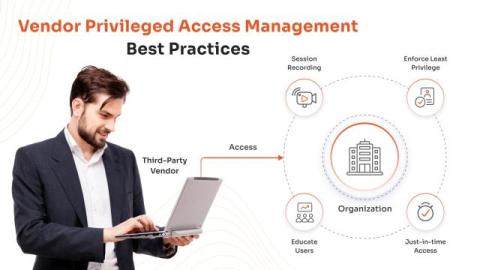
11 Third-Party Vendor Privileged Access Best Practices

Third-party vendors are an essential part of modern enterprise operations, providing critical services such as infrastructure maintenance, application support, system integrations, and managed IT services. To perform these tasks, vendors often require remote access to internal systems, frequently with elevated privileges. While this access enables operational efficiency, it also introduces significant security risks if not managed properly.

Introducing Abilities API in WordPress Plugins

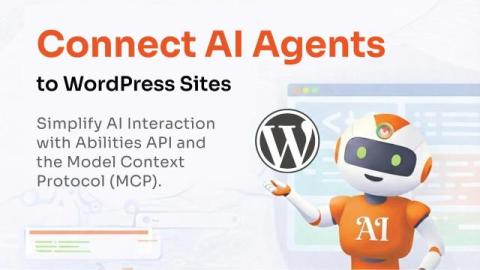
WordPress released version 6.9 in December 2025, introducing a new framework that changes how the platform communicates with external tools. The update added support for WordPress Abilities API and the Model Context Protocol (MCP), allowing WordPress sites and plugins to describe their capabilities in a structured, machine- and human-readable format. The change reflects a broader shift in how websites are managed.

Who Controls LLMs? Digital Sovereignty, Policy, and AI Security Risks | India AI Impact Summit 2026

AI agents are quickly becoming first-class actors in the digital ecosystem—logging into systems, invoking multiple APIs, collaborating, and even interacting socially with other agents. In a panel discussion on “Enhancing Cyber Resilience Across the Digital Ecosystem”, the miniOrange Founder & CEO Mr. Anirban Mukherji highlighted why digital identity is now the foundation for securing agent-driven environments, especially as authentication and authorization protocols expand globally across platforms and enterprises.

How to Set up the OTP Verification Plugin with WooCommerce Checkout Form?

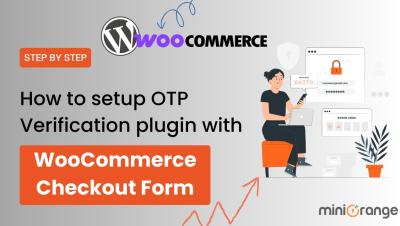
The miniOrange OTP Verification Plugin validates customers' email addresses or mobile numbers by sending a One-Time Password (OTP) during the checkout process. By confirming the authenticity of the provided contact details, this plugin helps prevent fake orders, reduces fraud, and ensures secure transactions. In this video, we walk you through the complete step-by-step setup of the miniOrange OTP Verification plugin with the WooCommerce Checkout form. Follow along to enable OTP verification and enhance your store’s security.

Single Sign-On Architecture Deep Dive: Protocols, Tokens & Identity Flow

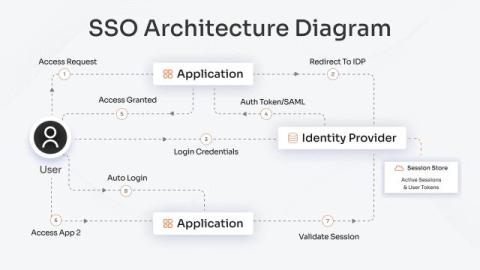
Given the mountain of applications that we use today, having them together and logging in to each of them can be a hassle. However, a well-designed SSO architecture comes to your rescue increasing productivity and simplifying your daily worklife. This blog aims to unfold the differences in SSO architecture, with a focus on SSO protocols like SAML, OAuth, as well as architecture diagrams, integrations, challenges, and best practices that expert teams are already using.

What Is SCIM Provisioning and How It Works in Shopify

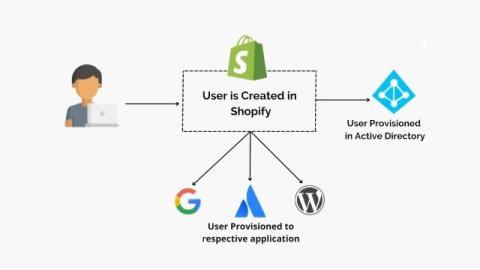
SCIM provisioning, or System for Cross-Domain Identity Management provisioning, is a standardized way to automate the process of creating, updating, and removing user accounts across multiple applications. Instead of manually adding or deleting users in each platform, SCIM provisioning ensures that any change made in one system is instantly reflected in all connected systems. This keeps user data consistent, reduces admin workload, and improves security.

12 Best WordPress Security Plugins to Protect Your Website

In 2025, more than 14,000 WordPress sites reported security vulnerabilities caused by weak passwords, outdated plugins, old themes, and configuration gaps that automated attacks detect far faster than most teams anticipate. Attackers continuously scan the WordPress ecosystem, moving from site to site in search of small vulnerabilities that naturally emerge as websites grow. That’s why strong security plugins are essential: they help seal off these common entry points.

Single Sign-On (SSO) for WordPress Membership Plugins

The subscription economy is reshaping how businesses generate revenue. Juniper Research predicts it will surpass $722 billion by 2025, with a 68% increase expected between 2025 and 2030. This model is no longer limited to streaming services like Netflix or Spotify. Companies across industries are launching exclusive subscriptions or memberships that provide stable revenue, predictable cash flow, and stronger customer relationships. WordPress membership plugins make managing these subscriptions simple.

How to Implement Separate B2B and B2C Login & Onboarding in Shopify

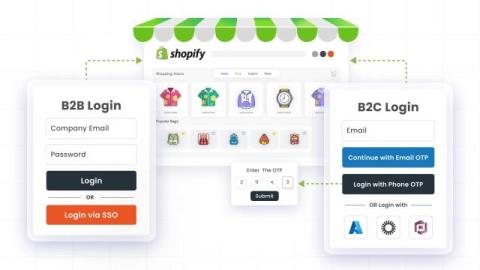
Shopify stores are evolving beyond simple retail operations. What once was a primarily consumer-focused platform is now powering complex B2B experiences with tiered pricing, customer groups, and negotiated catalogs catering multiple B2B vendors and companies. However, as stores diversify their audiences, authentication becomes a critical pain point. A login flow designed for retail customers might be fast and convenient.

How miniOrange's GPT App Connects LLMs to Your WordPress Site

WordPress is entering a new phase in how websites are managed with the introduction of API Abilities and support for the Model Context Protocol (MCP). These updates allow WordPress core, plugins, and themes to clearly define the actions they support and how those actions should be executed. For the first time, WordPress can communicate its capabilities in a structured way that large language models can reliably understand.

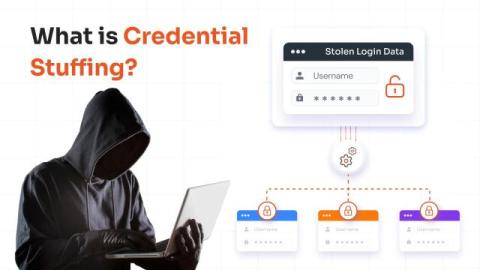
What is Credential Stuffing? A Complete Prevention Guide for Enterprises

Credential stuffing attacks have become one of the most common, yet underestimated, cybersecurity threats facing businesses today. Even with strong firewalls and the latest endpoint protection, organizations still lose millions every year to stolen login credentials reused across accounts. What’s worse, these attacks often stay undetected until real damage occurs, which includes data breaches, customer account takeovers, and regulatory penalties.

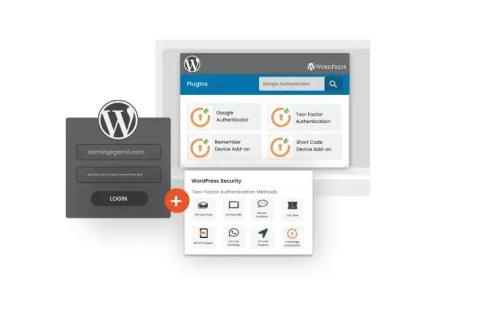
2FA For WordPress Membership: 2FA for Membership Sites

Imagine this: your WordPress membership site, thriving with exclusive content and a growing base of loyal members. But what if one breach could shatter trust, expose sensitive data, and compromise your revenue stream? That’s where WordPress Two-Factor Authentication (2FA) steps in as your ultimate defence. Let’s dive into how WordPress 2FA transforms your WordPress membership site into an impregnable fortress and why it’s a must-have for any modern membership platform.

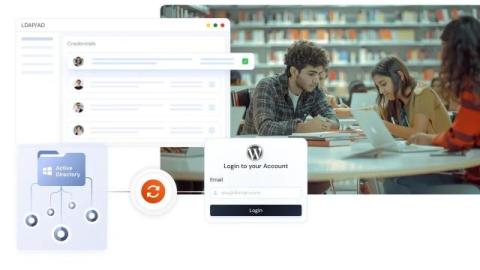
Making Student and Staff Logins Easy on WordPress with LDAP

Managing student and staff logins across different school systems can be messy and unmanageable, especially when every portal requires its own account and password. For WordPress-based education sites, it often means IT teams are stuck creating user accounts manually, resetting passwords, or dealing with duplicate profiles.

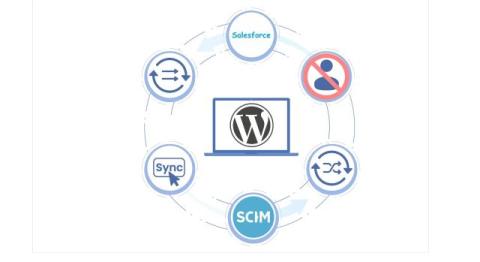
User Provisioning and Data Synchronization - User Synchronization for WordPress

With the growth of any business or organization, the importance of data accuracy, consistency, and privacy is rising. Things that may seem like a minor data error or glitch can have a major negative impact on sales, decision-making, and customer retention.

Identity & Access Management (IAM) Metrics Every CISO Must Track in 2026

Consider a common scenario: Your organization has allocated millions toward firewalls, endpoint protection, and advanced threat detection systems. Your security operations team maintains continuous monitoring through sophisticated dashboards. Yet, despite these comprehensive defenses, an attacker can gain unauthorized access using nothing more than compromised credentials and a hijacked service account. This is where identity and access management metrics play a key role.

What to Look for in a PAM Solution: Essential Features and Requirements

Security breaches occur in 86% of cases because of unauthorized privileged credential access, while the PAM market reached $4 billion in 2025 because of rising identity-based threats which include ransomware and cloud sprawl. Organizations need to address their hybrid system problems and AI-based cyber threats during 2026 because their existing password storage systems fail to fulfill their requirements.