Security | Threat Detection | Cyberattacks | DevSecOps | Compliance

Stop Demonizing CVSS: Fix the Real Problem

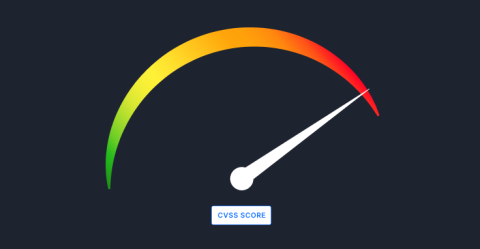
If you read the newest risk-based vulnerability management literature, it appears we have a new favorite punching bag: the Common Vulnerability Scoring System (CVSS). You seemingly can’t throw a rock into the “vuln-o-sphere” without hitting someone dunking on CVSS or the National Vulnerability Database (NVD). The argument goes something like this: “Exploitation rates are up, ransomware is surging, and vulnerabilities are multiplying like rabbits.


Understanding the EU's Cyber Resilience Act (CRA)

The Cyber Resilience Act (CRA) introduces a much-needed framework for standardizing the cybersecurity practices of companies operating in the European Union (EU). The regulation sets clear expectations for hardware and software manufacturers, developers, and distributors, outlining how they should manage and address vulnerabilities at every stage of the product lifecycle.

Fortinet Discloses Active Exploitation of Critical Zero-Day Vulnerability: CVE-2024-55591

Note: These vulnerabilities remain under active exploitation and Kroll experts are investigating. If further details are uncovered by our team, updates will be made to the Kroll Cyber Risk blog. A critical authentication bypass vulnerability (CWE-288) affecting FortiOS and FortiProxy (FG-IR-24-535) allows remote attackers to obtain super admin privileges via Node.js WebSocket traffic.

ConVErsations: Criminal Discussion of Vulnerabilities and Exploits

Defenders often discuss security vulnerabilities on GitHub, Stack overflow, X (formerly Twitter), and other platforms to share knowledge of these threats and ensure users know when patches are available. Cybercriminals have a similar process, choosing to share vulnerability news, exploit code, and engage in technical discussions on cybercriminal forums. However, in contrast to defenders, these threat actors share this knowledge for the purpose finding unpatched systems and exploiting them.

Detecting and mitigating CVE-2024-12084: rsync remote code execution

On Tuesday, January 14, 2025, a set of vulnerabilities were announced that affect the “rsync” utility. Rsync allows files and directories to be flexibly transferred locally and remotely. It is often used for deployments and backup purposes. In total, 6 vulnerabilities were announced to the OSS Security mailing list. The most severe vulnerability, CVE-2024-12084, may result in remote code execution. This post will cover how to detect and mitigate CVE-2024-12084.

Microsoft Corporation Latest Security Update on Actively Exploited Zero-Day Flaws for Safer Digital Operations

Organizations need to be watchful and vigilant with their cyber space because cyber threats keep on evolving. And, in fact, urgency is provided by the security update of January 2025 from Microsoft, which patches at least 161 vulnerabilities, including three zero-day flaws actively exploited in the wild.

Emerging Threat: Fortinet CVE-2024-55591

On January 14, 2025, Fortinet disclosed a new critical (CVSS 9.6) authentication bypass vulnerability affecting FortiOS and FortiProxy. This vulnerability, CVE-2024-55591, allows unauthenticated remote attackers to target the Node.js WebSocket module of the administrative interface and potentially gain super-admin privileges.

Security Bulletin: CVE-2024-55591 Fortinet - Authentication Bypass

On January 14, 2025 Fortinet confirmed a critical zero-day vulnerability, CVE-2024-55591, in Fortinet’s FortiOS and FortiProxy systems that has been actively exploited in the wild. This authentication bypass vulnerability allows attackers to gain super-admin privileges via crafted requests to the Node.js WebSocket module, enabling unauthorized access to firewalls, rogue administrative account creation, and configuration changes.