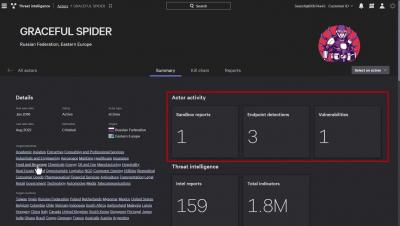
In today’s threat landscape there is no escape from having a 360° view to protect crucial organization assets. The criticality of the matter is greatly amplified in these times where working remotely has become vastly common among Enterprises and SMBs alike. An ideal security solution would combine threat detection & response on cloud resources as well as on the endpoint level, providing extensive, real-time and impactful coverage customers desperately need.
Security and defense theory are inextricably entwined. Consider medieval castles. They were designed as a defensive mechanism that provided security to those within, most of whom were simply civilians hiding behind the walls for protection from invaders. Within cybersecurity, multiple concepts from defense and war theory can be applied to better address the cyber risks facing organizations. In fact, the term Bastion Host refers to a Bastion which has very militaristic connotations.
As the pandemic starts to fade, it can be easy to fall into a false sense of security. While there’s finally an end to COVID-19 insight, the cybersecurity pandemic rages on. 2020 was a record year for cybercrime, and the same threats will plague 2021. Amid the disruptions of 2020, many businesses embraced remote work, cloud services, and IoT technologies. These changes, in turn, led to a shifting cybersecurity landscape as cybercriminals adapted and new threats emerged.
Threat modelling is a process for identifying potential threats to an organization's network security and all the vulnerabilities that could be exploited by those threats. Most security protocols are reactive - threats are isolated and patched after they've been injected into a system. Threat modelling, on the other hand, is a proactive approach to cybersecurity, whereby potential threats are identified and anticipated.
Cloud misconfigurations continue to be a serious concern for organizations, and the list of security incidents caused by the exposure of data from Saas and IaaS applications only continues to grow.
There’s a common misconception that cloud providers handle security, a relic leftover from hosting providers of previous decades. The truth is, cloud providers use a shared responsibility model, leaving a lot of security up to the customer. Stories of AWS compromise are widespread, with attackers often costing organizations many thousands of dollars in damages.