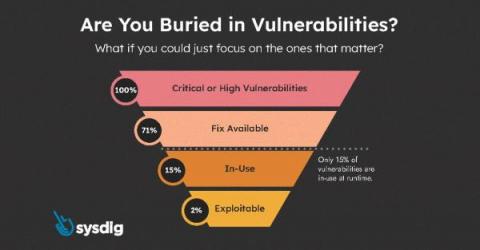
As available software on the market increases, so do vulnerabilities. When a company's system is weak due to vulnerabilities in the software it uses, attackers take advantage of the situation to: This, in turn, causes the company to lose customers, reputation and money. To reduce threats, network personnel and system administrators are always on the front line, constantly patching the organization's software and operating systems. But to what end?
The third quarter saw some major developments across the privacy space. In the U.S., we saw a federal bill for comprehensive privacy achieve more than ever before, children’s privacy proved to remain a top concern, and the Federal Trade Commission formally began its heavily criticized “Magnuson-Moss rulemaking” process.
DevSecOps has become one of the hottest buzzwords in the DevOps ecosystem over the past few years. In the abstract, it’s easy to understand what DevSecOps means and why people care about it: it’s a strategy that extends DevOps efficiencies to software security. But when you sit down and actually start implementing DevSecOps, things can get trickier. There is no switch you can flip to go from DevOps to DevSecOps. Implementation requires a set of tools and practices.
The Russian cyberattacks against the U.S. are ramping up in scope and volume. Last month, a hacking group claimed credit for cyberattacks hitting more than a dozen U.S. airports’ websites, temporarily rendering parts of the sites inaccessible to the public. State-sponsored actives in non-war conditions expend exorbitant efforts to disguise themselves to prevent attribution. They also purposefully limit the scope of their attacks.