php[tek] 2023 - A Community Of Communities Powering The Internet
The PHP community came together in Chicago for php 2023, sharing best practices and the latest updates from the language and frameworks that run over 77% of the internet.


The PHP community came together in Chicago for php 2023, sharing best practices and the latest updates from the language and frameworks that run over 77% of the internet.
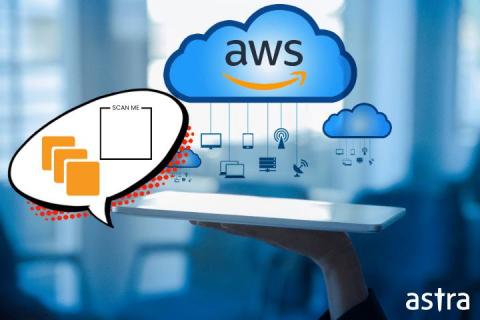
The AWS cloud platform is one of the most used cloud platforms in the world. It gives companies a level of flexibility with its myriad of uses but it is not without its own challenges, namely, maintaining security.
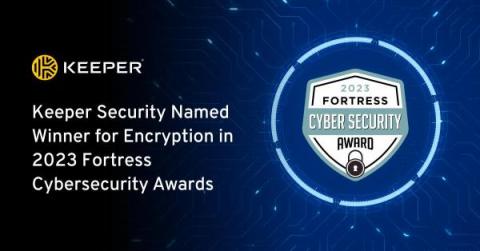
We at Keeper Security are proud to announce that we’ve been recognized by the 2023 Fortress Cybersecurity Awards as the overall winner for Encryption. The Business Intelligence Group conducts the annual Fortress Cybersecurity Awards to recognize experts, engineers, people and products in the field of cybersecurity.
We all know that cyberattacks in the public sector are mounting. Over 100 state and municipal governments and dozens of school districts were compromised by ransomware last year. And geopolitical tensions will only embolden both state-linked and financially motivated threat actors going forward. These are uneasy times for cybersecurity leaders at these government and education sector entities. But help is at hand.
Supply chain security has been a top concern for risk management leaders ever since the high-profile attacks to SolarWinds and Log4j took place. While there's no one-size-fits-all way to identify, assess, and manage cyber risks in the supply chain, MITRE's System of Trust Framework offers a comprehensive, consistent, and repeatable methodology for evaluating suppliers, supplies, and service providers alike.
Attack surface management is certainly a concern for most organizations, but being top of mind does not mean it's easy for organizations to understand or implement. Unfortunately, there are many misconceptions about how hard managing one's attack surface is, so let's deal with five of the most common fallacies. The fact is attack surface management is a lot easier said than done and to be effective, attack surface management demands a strong base of 'cyber hygiene'.
Cybersecurity has risen to become a major concern for nearly every industry. With the constant stream of news about the escalating numbers of breaches, it is understandable that governments have taken a more active role by passing cybersecurity and privacy legislation. Some of the industries are not top of mind to many people. For example, few people are aware of all of the industries that make up the 16 sectors of critical infrastructure.
Insider threats are an updated version of the wolf in sheep's clothing - the people we rely on to safeguard systems and data can sometimes be the ones who pose the greatest risk. From malicious actors to negligent employees, insider threats come in many forms and can have devastating consequences for organizations of all sizes. Who’s an Insider?