Know Your Customer (KYC) data is documentation and contact information obtained while creating a bank account. According to the RBI’s recommendations, banks may request Re KYC from customers at set periods to keep the data up-to-date, which can be done by the customer by filling out a Re KYC form. For example, if any of your personal or contact information has changed, the Re KYC procedure will update it.
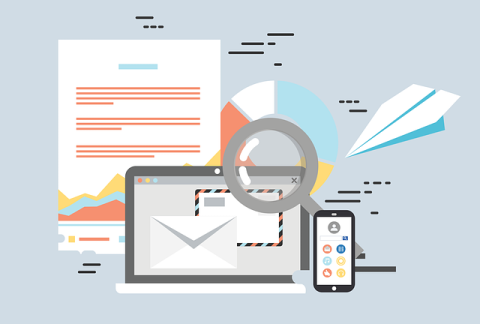
Phishing attacks continue to plague individuals and businesses worldwide, with clone phishing emerging as a particularly cunning and deceptive variant. But fear not, as this blog post will arm you with the knowledge to spot the imposters and secure your inbox. Are you ready to outsmart the scammers and protect your sensitive information?
In a world where virtual communication has become an integral part of our lives, the risk of falling victim to phishing and social engineering attacks is higher than ever. Are you confident in your ability to spot a phishing attempt or defend yourself against a skilled social engineer? This post will guide you through understanding phishing and social engineering virtual communication awareness and our learnings from advising customers and empowering you to stay vigilant in the digital landscape.
Why do companies spend millions of dollars on security measures only to have their systems compromised by hackers? The answer lies in the ever-evolving landscape of cyber threats and the need to improve security practices continuously. One of the most effective ways to stay ahead of these threats is through software penetration testing–a proactive approach to discovering and fixing vulnerabilities before they can be exploited.