Are you an organization that operates a Bulk Power System (BPS) in the United States? If so, you understand the need to comply with the Critical Infrastructure Protection (CIP) standards. Developed by the North American Electric Reliability Corporation (NERC), CIP is a set of requirements through which in-scope entities can protect themselves against digital attacks, thereby strengthening the reliability of the U.S. electric grid overall.
In its Interagency Report 7695, the National Institute of Standards and Technology (NIST) defined an application as “a system for collecting, saving, processing, and presenting data by means of a computer.” This broad term covers enterprise applications, consumer applications, and even phone apps. Security is important in all these types of applications, but the focus is not always the same. Let’s explore how below.
Recently, Facebook announced a new initiative aimed at protecting how its users’ data is managed across its platforms: the Data Protection Assessment. The assessment consists of a questionnaire for apps that access advanced permissions and specifically focuses on how developers protect, share and use platform data.
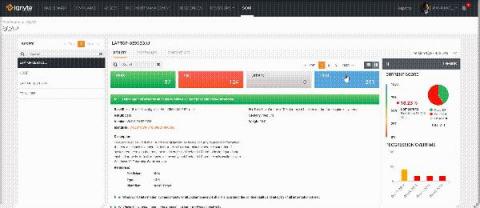
If you are dealing with vulnerability management, chances are you’ve been wondering if there is a better way to store, manage, and link Security Content Automation Protocol (SCAP) scan data. The answer is yes! With Ignyte’s machine learning capabilities. The new SCAP module, recently released by Ignyte Assurance Platform, reimagines the user-friendly interface to visualize and compare scan data in one place, as well as track changes and progress over time.
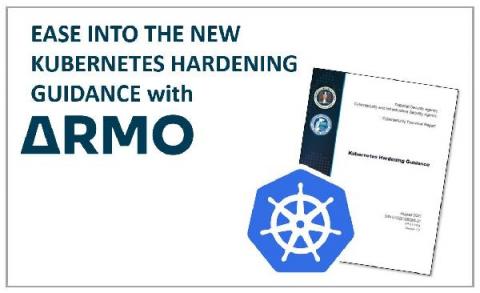
The National Security Agency (NSA) and the Cybersecurity and Infrastructure Security Agency (CISA) have published comprehensive recommendations for strengthening the security of an organization’s Kubernetes system to help companies make their Kubernetes environment more difficult to compromise. This 52-page cybersecurity technical report offers practical guidance for admins to manage Kubernetes securely, focusing on the common three sources for a compromised Kubernetes environment.
The Splunk Threat Research Team (STRT) has detected the resurface of a Crypto Botnet using Telegram, a widely used messaging application that can create bots and execute code remotely. The STRT has identified attacking sources from China and Iranian IP addresses specifically targeting AWS IP address space. The malicious actors behind this botnet specifically target Windows server operating systems with Remote Desktop Protocol.