Security | Threat Detection | Cyberattacks | DevSecOps | Compliance

What is Data Loss Prevention (DLP)?

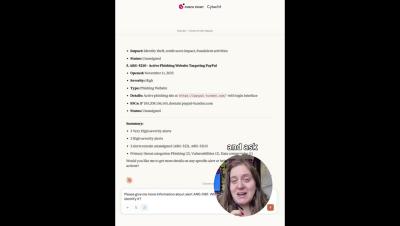
What is DLP, and why is it critical to modern cybersecurity? In this video, we break down Data Loss Prevention—also known as DLP—into simple terms. You'll learn how DLP works, what kinds of sensitive data it protects, and why organizations use it to prevent data leaks, insider threats, and accidental exposure of confidential information. Whether you're new to data security or looking to level up your InfoSec knowledge, this is the perfect starting point to understand how DLP fits into your broader cybersecurity strategy.

Arctic Wolf Observes Microsoft Direct Send Abuse

Arctic Wolf has recently observed a widespread phishing campaign targeting multiple organizations by abusing Microsoft 365’s Direct Send feature—a feature designed for internal email delivery without requiring authentication. Threat actors can identify valid domains and recipients, then send spoofed emails that appear to originate from internal domains—often impersonating the user themself—without needing credentials or access to the tenant.

New FileFix Delivery Method Used to Distribute Interlock RAT

Since at least February 2025, Arctic Wolf has observed Interlock Remote Access Trojan (RAT) being deployed via social engineering techniques. Recently, The DFIR Report published a technical analysis of the Interlock RAT being delivered via a social engineering technique dubbed “FileFix.” The name FileFix is derived from its similarity to the previously documented ClickFix technique using fake CAPTCHA pages.

Digital Factories, Digital Dangers: Why Manufacturing is a Prime Target for Cyberattacks

Digital connectivity is reshaping European manufacturing, driving both efficiency and innovation. However, this shift has also created a complex and vulnerable cyber threat landscape, making manufacturing the most targeted industry for cyberattacks for the past four years. Connected systems and legacy infrastructure are colliding, expanding the attack surface and exposing manufacturers to increased risks.

Engineered To Evade: How Phishing Attacks Are Designed To Get Through Your Secure Email Gateway

Getting through secure email gateways (SEGs) is simply the cost of doing business for a cybercriminal. Literally, detection at the perimeter by a SEG is the same as falling at the first hurdle. SEGs have been adopted broadly, especially in larger organizations (although this picture has started to change in recent years - more on that below). Even where organizations don’t use a SEG, many native controls in email platforms (like Microsoft Exchange) operate using the same principles.