Security | Threat Detection | Cyberattacks | DevSecOps | Compliance

How to Quantify Cyber Risk for Board-Level Reporting

Quantifying cyber risk for the board means translating technical exposure into dollar-denominated financial risk that the audit committee, CFO, and directors can act on. Boards care about strategic business impact like operational downtime, regulatory penalties, and reputational damage. ‍ They do not care about patch rates, blocked emails, or firewall logs, which are the metrics cyber teams have historically brought to board meetings and which board members have historically ignored.
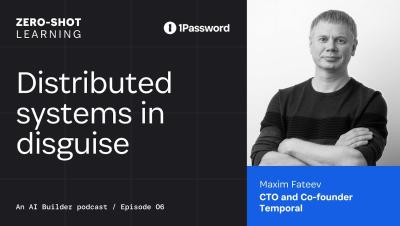
Distributed systems in disguise with Maxim Fateev from Temporal | Zero-Shot Learning

When most developers write code, crash recovery logic is at the bottom of their priorities, until crashes and delays force them to incorporate resiliency logic. That’s why Temporal co-founder and CTO Maxim Fateev built a system to turn code into durable execution. In his conversation with 1Password CTO Nancy Wang and VP of Engineering for Developer and AI Jeff Malnick, Maxim explains why the distributed systems thinking that shaped his work is now essential for building reliable AI agents, with a live demo of a durable agent surviving a crash.

Secrets Off Disk: How 1Password Secures Developer Workflows

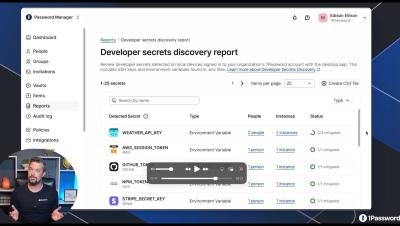
Your.env file has your database password, your AWS keys, and your Stripe secret, all in plaintext, sitting on your laptop. 1Password Developer Watchtower finds it, 1Password Environments secures it, and you keep shipping. See how 1Password discovers plaintext developer credentials, imports them into an encrypted environment, and mounts a virtual protected.env, with no workflow disruption for developers and full fleet visibility for security teams.

LimaCharlie Cloud Security: CNAPP Walkthrough

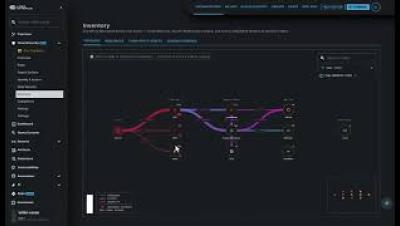
A walkthrough of Cloud Security in LimaCharlie — CNAPP capability built into the SecOps Cloud Platform. Connect your cloud and SaaS providers (AWS, GCP, Azure, Okta, Google Workspace, GitHub, Cloudflare, Anthropic, and even other LimaCharlie orgs) and everything is normalized into a single security graph: identities, permissions, workloads, and data. The engine reasons over that graph to surface attack paths — evidence-backed chains an attacker could actually walk — instead of isolated checkbox findings.

Demo Observe What Your AI Is Actually Doing

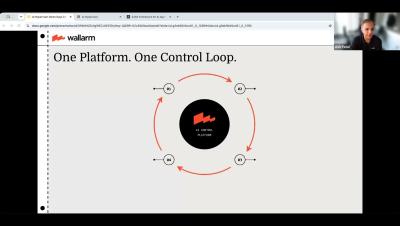
Security teams are receiving more alerts tied to AI workloads, but most miss the runtime context needed to understand what happened, why it happened, and whether it violated policy. AI visibility cannot stop at deployment and configuration. Join this live demo session to see how Wallarm AI Hypervisor helps teams understand what AI workloads are actually doing at runtime inside Kubernetes environments. The session focuses on giving security teams clearer operational context around AI behavior, outbound activity, sensitive data exposure, and user-driven actions across AI systems.