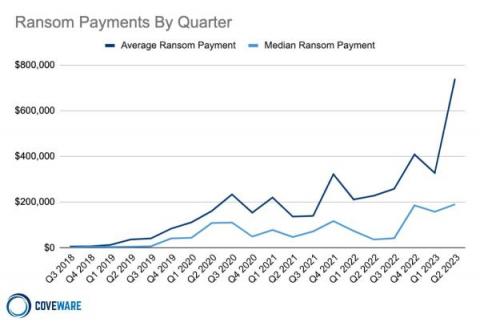
The threat of ransomware has been ever present in 2020, especially within the high-stakes industries like healthcare and those involved in the election. According to Verizon's 2019 Data Breach Investigations Report, 24% of security incidents that involved specific malware functionality exhibited ransomware functionality.
Have you ever typed in a website’s address and ended up somewhere completely different? Or received emails from what appears to be a familiar company, but with suspicious links that lead to unfamiliar pages? These scenarios may be the result of DNS spoofing, a type of cyber-attack that can leave your sensitive information vulnerable. In this blog post, we’ll dive into what DNS spoofing is, how it works, who is at risk, and most importantly – how you can prevent it.
Recent research from penetration testing company NetSPI found that Azure on-premises data gateways allow Power Platform and Power BI to access customer resources and databases. Threat researchers found that these gateways can communicate with Power Platform through an Azure service called Azure Relay (previously known as Azure Service Bus).
The Internet of Things (IoT) is a network of interconnected physical objects that are embedded with different kinds of technology, such as sensors, processors, transceivers, or actuators. This technology allows IoT devices to collect and exchange data with each other over the internet or through dedicated wireless networks, enabling them to interact with the physical world in various ways. As the number of IoT devices continues to grow, so too does the need for proper security measures.
Supply chain attacks are one of the top concerns for any organization as they exploit (no pun intended) the inherited trust between organizations. Recent examples of similar attacks include SolarWinds and Kaseya. On March 29th, a new supply chain attack was identified targeting 3CX, a VoIP IPXS developer, with North Korean nation-state actors as the likely perpetrators.