Security | Threat Detection | Cyberattacks | DevSecOps | Compliance

CMMC vs. NIST: Key Differences Defense Contractors Must Understand

If you’re a defense contractor, cybersecurity compliance isn’t just a suggestion—it’s a requirement. The U.S. Department of Defense (DoD) has implemented strict cybersecurity guidelines to ensure that sensitive government information stays protected. Two major frameworks you need to be familiar with are the National Institute of Standards and Technology Special Publication 800-171 (NIST SP 800-171) and the Cybersecurity Maturity Model Certification (CMMC).

How effective security awareness training elevates cybersecurity in your organization

Cybersecurity has become a paramount concern for organizations across all sectors in the rapidly evolving digital landscape. As technology leaders, we recognize that while technological defenses are crucial, the human element often represents the most significant vulnerability. Implementing comprehensive security awareness training (SAT) is essential to fortify this human firewall, mitigate risks, and cultivate a security-conscious organizational culture.

Navigating third-party risk assessments in a changing business landscape

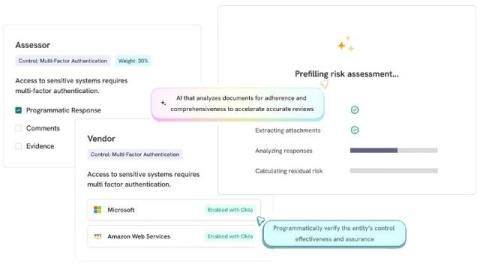
In today’s interconnected business environment, organizations increasingly rely on third-party vendors to enhance operational efficiency and drive innovation. For instance, consider a mid-sized retail company that partnered with a logistics provider to streamline its supply chain, resulting in a 20% reduction in delivery times. However, this dependence introduces significant risks, including data breaches, regulatory non-compliance, and operational disruptions.

ISO 27001 Tools & Services: Empower Your Business with Stronger Information Security

In today’s rapidly evolving digital ecosystem, organizations are entrusted with an unprecedented volume of data. As cyber threats become more sophisticated and compliance demands grow increasingly stringent, establishing a strong information security posture has never been more critical. ISO/IEC 27001, an internationally recognized standard, serves as the foundation for building a comprehensive Information Security Management System (ISMS).

From checkbox to confidence: Why passing the audit isn't the endgame

Every year, companies across industries breathe a collective sigh of relief when the auditors give the thumbs-up. The SOC 2, ISO 27001, PCI DSS – pick your acronym – get ticked off, and it’s back to business. But let’s be honest: how often does that success feel earned? More than a few security and compliance teams have walked out of an audit room with relief, not pride.

ISO 31000 vs. COSO ERM frameworks - Navigating the risk landscape

In an era where uncertainty is the norm, strong risk management isn’t just good practice – it’s a competitive advantage. For technology leaders steering organizations through complex challenges, two frameworks consistently rise to the top: ISO 31000 and the COSO Enterprise Risk Management (ERM) framework. Knowing how they differ – and where each shines – is key to building resilience and making smarter, strategy-aligned decisions.

Balancing innovation and ethics: Navigating data privacy in AI development

As AI continues to weave itself into the fabric of everyday business operations, it’s bringing real ethical questions to the forefront—especially around how data is used and protected. With innovation moving fast, tech leaders can’t afford to treat privacy and ethics as afterthoughts. It’s on us to build systems that respect people’s rights from the ground up and to make sure our use of AI reflects the values society expects us to uphold.

The power of transparency: How a trust center can accelerate enterprise sales and build credibility

In an era of escalating cybersecurity threats, heightened regulatory scrutiny, and increased consumer awareness about data protection, businesses cannot afford to be opaque about their security and compliance practices. Enterprise clients, particularly those in regulated industries, demand visibility into the security posture of their vendors before committing to a business relationship.

Mastering infrastructure monitoring

The robustness and reliability of an organization’s infrastructure are paramount in an evolving digital landscape. Effective infrastructure monitoring ensures seamless operations, preemptively identifies potential issues, and maintains optimal performance. As technology leaders, understanding and implementing comprehensive monitoring strategies is crucial to sustaining business continuity and achieving strategic objectives.

Empowering organizations: Identifying and assigning effective risk owners

Effective risk management is crucial for organizational success in the business environment. Central to this process is the designation of risk owners—individuals accountable for identifying, assessing, and mitigating risks within their domains. Assigning the right risk owners not only enhances risk management but also fosters a culture of accountability and proactive problem-solving.