The dark web is a digital no man’s land where many peculiar activities take place. Check out these chilling, real-life deep web horror stories and tips that can help keep you safe.
There are many threats that businesses have to deal with, and some of them hide in the dark web. People who belong to this secret part of the internet are known for doing illegal things like selling stolen data, malware, and fake goods. Businesses need to put in place strong security measures to protect their private data and image. Dark web monitoring services are an important part of this process.
The digital age has transformed industries, but with it comes a complex web of regulations designed to protect consumers and businesses. From financial services to healthcare, organizations grapple with a growing list of compliance mandates. Failure to adhere to these rules can result in hefty fines and even legal repercussions. Simultaneously, the dark web has emerged as a secret marketplace for stolen data, posing significant risks to businesses navigating complex regulatory environments.
Unfortunately, once your information has been put on the dark web, you cannot remove it. Despite this, you can still protect your personal information and identity by changing your passwords, enabling Multi-Factor Authentication (MFA) and monitoring your online accounts for suspicious activity. Continue reading to learn how to tell if your information is on the dark web and what you can do to protect yourself if it is.
If you realize that your personal information has been found on the dark web, you may be wondering how this could have happened. Your personal information could have ended up on the dark web through a data breach, a compromised account, a phishing scam or a malware infection. The dark web is part of the internet used by cybercriminals to buy and sell stolen information. Continue reading to learn how to tell if your personal information is on the dark web, how it got there and how to protect your identity.
You may be concerned if your Social Security number (SSN) was found on the dark web following the recent breach that, according to CNBC, exposed almost three billion SSNs. National Public Data, a company that conducts background checks, suffered a data breach involving SSNs, email addresses, phone numbers and home addresses. If your SSN was found on the dark web, you are most likely concerned about your identity being stolen.
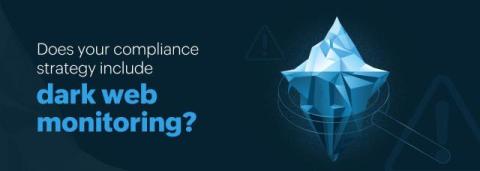
With tens of thousands of potential threats lurking in remote corners of the deep and dark web, organizations are increasingly at risk of being targeted by cyber attackers or having their sensitive information traded or leaked online. Deep and dark web monitoring enables businesses to safeguard their digital assets and accelerate visibility of online threats, protecting their brand and reputation.
According to the 2023 Insider Threat Report by Cybersecurity Insiders, 74% of organizations are at least moderately vulnerable to insider threats. This statistic underscores a critical issue: Insider threats are notoriously difficult to detect because they originate from individuals with authorized access and intimate knowledge of your systems. While traditional security measures focus on external threats, they often fall short when it comes to spotting insider threats.
You can find out if your information is on the dark web by using a dark web scan tool, signing up for a dark web monitoring service or checking for the latest data breaches. The dark web is a layer of the internet that allows people to remain anonymous, often used by cybercriminals to find and sell stolen personal information. A dark web scan informs you if your personal information has surfaced on the dark web, which could put your accounts at risk of being compromised.