Security | Threat Detection | Cyberattacks | DevSecOps | Compliance

The Latest Cybersecurity News & Insights From Around The World




TrustRadius Trusted Seller | WatchGuard
We’re raising a glass to trust! We’re proud to be named to @TrustRadius’s Trusted Seller Program, recognizing our commitment to transparency, customer satisfaction, and delivering real value. Just like a perfectly poured pint, trust takes time to build and we’re grateful to our customers and partners for making this possible!

Stop Your Team From Buying Random Tech Behind IT's Back
"IT Manager's essential advice: Employees are secretly buying software without telling IT. The solution? Join HR and marketing meetings, find out what your team is REALLY doing, and address TikTok use in the office. Clear communication across departments is your best defense against shadow IT.
UpGuard's Revamped Trust Page: Close Deals Faster
When it comes to closing a sales deal, trust and security are often just as important as the product or service you’re selling — sometimes even more important. The reason is simple. Before bringing you on as a new vendor, customers need to be confident that you’re a safe and secure partner. The challenge is proving your security posture quickly, without dramatically slowing the deal.
The Role of Sandbox Analysis in advanced Malware Detection
Malware continues to evolve with greater sophistication. Sandbox malware analysis offers a secure testing ground to detect and study potential threats before they impact production systems. According to MarketWatch, the network sandbox market’s growth reflects this technology’s rising importance, with projections reaching $5.1B by 2025. Advanced malware presents new challenges because it can now detect sandbox environments during analysis.
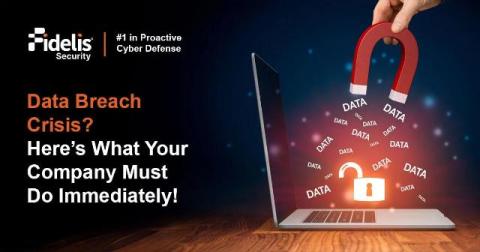
What Should a Company Do After a Data Breach? The First 5 Steps to Take
Cyberattacks and data breaches can’t be completely stopped in a day. As technology grows, attackers find different ways to intrude, constantly adapting to new security measures. Gartner forecasts that by 2027, generative AI will play a role in 17% of all cyberattacks, highlighting the growing threat of AI-driven tactics in the evolving landscape of cybersecurity. So, companies should always get ready to cope with any kind of sophisticated attacks at any time.

2025 Healthcare Cybersecurity Threats: Insights from the Trustwave Risk Radar Report
The healthcare industry, with its highly prized electronic health records, a myriad of connected devices, continued use of legacy systems, and expanding telehealth services, is a premier target for threat actors. To properly dissect the issues facing the healthcare industry, Trustwave SpiderLabs has updated its earlier healthcare cybersecurity coverage with the just-released 2025 Trustwave Risk Radar Report: Healthcare Sector - A New Era of Cybersecurity Challenges.

The Imperative of Cyber Resilience: Shaping a Secure Future for Public and Private Sectors
When it comes to cyber attacks, it’s no longer a question of if but when. Threat actors aren’t discriminating between the public or private sector — each organization has valuable data, which means every organization is a viable target. In this new threat landscape, digital resilience — the ability to defend against, withstand, and recover from attacks — has become an operational imperative.