Back in 2015, we published an article about the apparent perils of driverless cars. At that time, the newness and novelty of sitting back and allowing a car to drive you to your destination created a source of criminal fascination for some, and a nightmare for others. It has been eight years since the original article was published, so perhaps it is time to revisit the topic to see if driverless cars have taken a better direction.
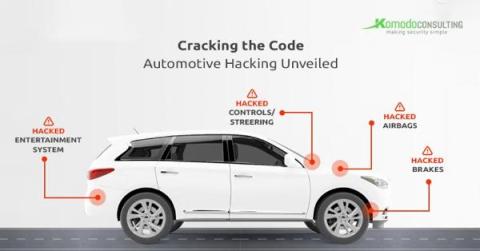
As technology continues to advance, the potential for hacking and cyber-attacks on various devices and systems has become a major threat. This has extended to the automotive industry, with increasing numbers of car hacks being reported. With the rise in the production of electric vehicles (EVs), these attacks have escalated in frequency and severity.
From its inception, the automotive industry has been shaped by innovation and disruption. In recent years, these transformations have taken shape in rapid digitization, ever-growing Electric Vehicle (EV) infrastructure, and advanced connectivity. These shifts have redirected the automotive industry, meeting and surpassing customer expectations for what vehicles should accomplish.
The content of this post is solely the responsibility of the author. AT&T does not adopt or endorse any of the views, positions, or information provided by the author in this article. Most, if not all, industries are evolving on a digital level heading into 2023 as we take the journey to edge computing. But the automotive industry is experiencing technological innovation on another level.
It used to be cool if your car had GPS and a dashboard screen, remote lock on a key, and a video player for the kids to watch movies during road trips. Then came bluetooth for your phone and keyless start. Not anymore. The bells and whistles available in today’s cars have left them all in the dust. Video player? Let’s be honest. This generation knows and expects on-demand streaming to keep them entertained. Cars can now function as fully equipped communications centers.