Security | Threat Detection | Cyberattacks | DevSecOps | Compliance


Webinar - Securing your Cloud Infrastructure with AWS & Tines
How we built a self-serve free trial using Tines
At Tines we drink our own champagne. The tines@tines blog series is a testament to the unique ways we’ve leveraged Tines to accelerate our own processes. As the title implies, this post is about how we built a self-service free trial process using Tines.
Securing your Cloud Infrastructure with AWS
How our engineering team improves the on-call experience with Tines
This is the first of a series of posts about ways we use Tines at Tines to simplify our processes. I’m Izabela from the engineering team and will share how we improve the on-call experience with our own product. When it comes to on-call, there are differing views. For some, it comes as an easy and enjoyable task. For others, a stressful time on their calendars. At Tines, we have two types of on-call: daytime and out-of-hours.
What's new in Tines: July Edition
Record reports now include data visualizations to see trends over time in your records. Check it out → If you don't have records today, just hit reply to this email to learn more about records.
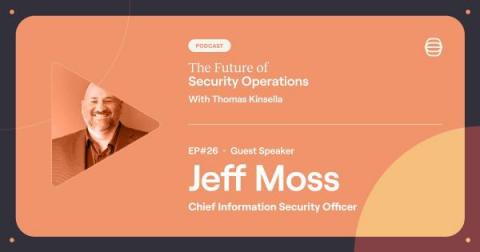
Incode Technologies' Jeff Moss: Scaling security for startups and defending against the ever-growing attack surface
In this episode of The Future of Security Operations podcast, Thomas speaks to Jeff Moss, Senior Director, Information Security, at Incode Technologies. Incode is the leading provider of world-class identity solutions for the world’s largest financial institutions, governments, retailers, hospitality organizations, and gaming establishments.
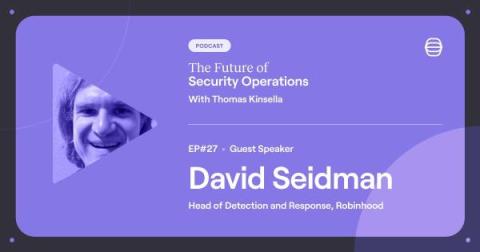
Robinhood's David Seidman: The tradeoff between technical mastery and strong management
In this episode of The Future of Security Operations podcast, David Seidman joins Thomas to discuss their career to date and what they have learned along the way. David is currently Head of Detection and Response at Robinhood, an online brokerage firm with a mission to democratize finance for everyone. David has almost 20 years of experience in software and security, having worked for huge names like Microsoft, Google, Salesforce, and now Robinhood.
Introducing Tines professional services
We’ve piloted our professional services program for nearly 12 months and are delighted to introduce it to the world. While Tines is a highly intuitive product and most customers realize value extremely quickly, there are times when extra support is useful. Our professional services are aimed at supporting you in your business goals and getting the most value from Tines.
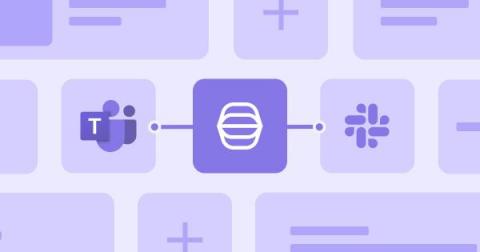
Harnessing the power of real-time communication between Microsoft Teams and Slack
In today’s digital landscape, the need for real-time communication has never been greater. For engineers in IT teams and service desk analysts, the ability to exchange information swiftly and effortlessly can make all the difference in resolving critical issues, brainstorming solutions, and fostering a productive work environment.