Torq Automation Template - IP Penalty Box with Timeout
This workflow checks if an IP address is IPv4 or IPv6, adds it to the appropriate penalty list in Cloudflare, then removes it after a set duration.


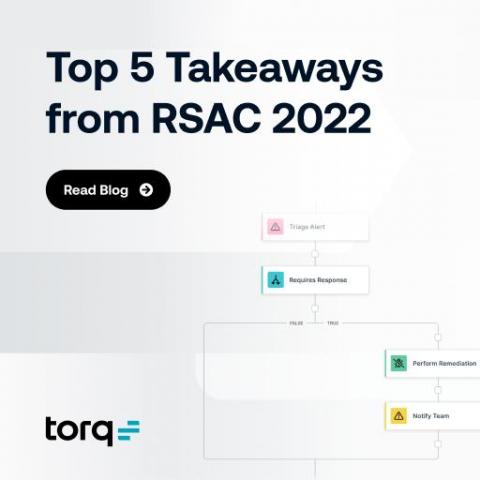
It’s been just over a month since cybersecurity conferences returned in a big way with the comeback of RSA Conference after last year’s hiatus. A lot happened between 2020 and 2022 in the world, our lives, and cybersecurity, including the birth of a little no-code security automation start-up named Torq. RSAC 2022 was a great place to catch up on these changes and look forward to emerging trends and security needs.
In cloud-native organizations and software as a service (SaaS) businesses, cloud security automation is becoming a must-have feature. You can't stay ahead of threats across several levels of your cloud environment using manual procedures alone, and you can't rely exclusively on cloud providers' security technology, which doesn't operate across different clouds and lacks advanced automation features. Managing these infrastructures and apps in multi-cloud settings becomes increasingly difficult and compounds the operational issues that you face today. Automation is the way to go if you want to stay ahead of the game and meet the expectations of your customers.
Automation workflows add a lot of value to an organization’s day-to-day operations. At a minimum, they streamline the execution of complex, multi-step processes, thereby allowing people to focus on higher-value tasks. On top of that, automation workflows can provide valuable insights through the metrics that they gather – including the number of requests, the date and time they were requested, the time it took to complete each request, who made the request, and much more.
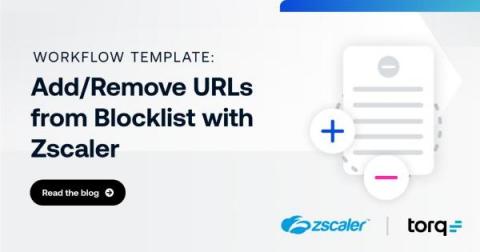
Blocking access to certain URLs is a simple, effective strategy for protecting users and the network. But, in a world where new and increasingly sophisticated scams seem to appear almost weekly, the task of maintaining that list can become overly burdensome when performed manually. Torq offers a number of ways to automate URL blocklist management, reducing manual effort and speeding up response to new threats.
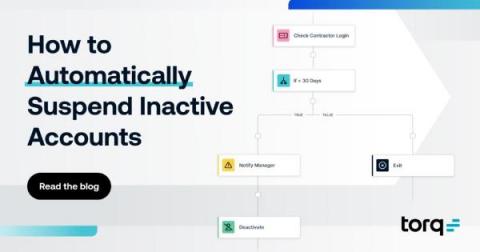
Contractors, freelancers, and other temporary workers have become essential parts of the modern enterprise. For IT and security teams, these individuals present unique challenges compared to full-time workers—and potential risks. The ‘offboarding’ process for these contractors is often less formal than bringing them on. Meaning, many just stop using their entitlements and accounts without actually closing them. These dormant accounts can pose serious risks to the organization.
Right now, much of the security world is focused on the RSA conference in San Francisco, California. The Torq team has been preparing for the event for months—and we’re thrilled that we finally get a chance to talk about Torq in person with other security professionals.
Today’s developers move at increasingly rapid speed – making it more critical than ever to identify and resolve code vulnerabilities early in the software development lifecycle. By tackling security early – instead of waiting until testing and deployment – engineering teams can reduce unnecessary patching and maintenance cycles, reduce risks, and ensure timely delivery of new features.