Security | Threat Detection | Cyberattacks | DevSecOps | Compliance

Computer Users Once Again Insist '123456' and 'password' are the Pinnacle of Cybersecurity

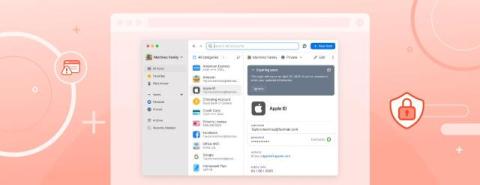
... At least according to a recent report posted by the password manager firm NordPass. NordPasses 2024's Top 200 Most Commonly Used Passwords list reflects the sad truth that many people don't take password security seriously and believe codes like "123456" are acceptable. Then some figure, "Hey, the bad guys will never figure it out if I add a couple more digits", and use "123456789". Finally, we have those who seemingly just gave up all hope and used "password".

IAM vs PAM: What's the Difference?

The main difference between Identity and Access Management (IAM) and Privileged Access Management (PAM) is that IAM manages who has access to which resources, while PAM secures access to sensitive information. IAM involves solely user identities, and PAM falls under the umbrella of IAM by monitoring user identities with access to privileged data. Continue reading to learn more about IAM and PAM, their key differences and when to implement them in your organization.

How Williams Racing Secures Its Global Operations With Zero-Trust Cybersecurity

In the intense arena of Formula 1 racing, every millisecond counts – not just on the track but also in protecting the valuable data that drives success. Williams Racing, a team that has an impressive record in F1 with nine Constructors’ Championships and seven Drivers’ Championships, recently faced a critical challenge: securing sensitive data across a global operation while maintaining the lightning-fast access their team needs to compete.

How To Protect Your IP Address

You can protect your IP address by hiding it and masking your location to prevent cybercriminals from impersonating or tracking you. An IP address, also called an Internet Protocol address, is a series of unique numbers that identifies your device on the internet or the network it’s connected to. Your IP address allows information to be sent across a network and distinguishes your device from others on the internet.

How Governments Can Mitigate AI-Powered Cyber Threats

Cybersecurity leaders across all levels of government are growing increasingly alarmed by the rise of cyber attacks fueled by Artificial Intelligence (AI). Cybercriminals are now incorporating machine learning and automation into their strategies, significantly boosting the scale, efficiency and sophistication of their attacks. According to a recent survey of over 800 IT leaders, a staggering 95% believe that cyber threats have become more advanced than ever before.

Random but Memorable - A Very (Artificial) Festive Special with Dr Erik Huffman

Welcome to A Very (Artificial) Festive Special! Join the podcast crew and special guest, Dr Erik Huffman, as we look back at an eventful year in cybersecurity. With artificial intelligence taking centre-stage, we serve up a platter of AI-powered games, news, and festivities.

How To Share Your WiFi Password Safely

You can share your WiFi password safely by using a strong password, creating a guest network, enabling your router’s encryption and regularly updating your router. Sharing your WiFi password safely is important because someone with bad intentions could use it to hack into your network, steal your personal information or infect your devices with malware.

How Can Someone Use My Credit Card Without Having It?

According to Experian, there have been approximately 416,000 reported cases of credit card fraud so far in 2024. Credit card fraud occurs when someone uses your credit card to make purchases without your permission by impersonating you. Someone can use your credit card without physical access by stealing your credit card number through credit card skimming, shoulder surfing, phishing and hacking.