Configure Secure Gateway Server in Endpoint Central
In this video, we dive into the step-by-step process of configuring the Secure Gateway Server in Endpoint Central.


In today’s fast-paced digital landscape, security is not just a priority; it’s an imperative. We’re excited to announce a significant enhancement to Endpoint Central that will take your data security to a whole new level—Federal Information Processing Standards (FIPS) compliance. In this blog, we’ll explore what FIPS compliance is, why it matters, and how it can benefit your organization.
As we bid farewell to another remarkable year filled with significant milestones, we are thrilled to look back and share the acknowledgements we received from industry experts for our unified endpoint management and security solution, ManageEngine Endpoint Central.
Five worthy reads is a regular column on five noteworthy items we’ve discovered while researching trending and timeless topics. This week we explore multi-factor authentication (MFA) fatigue attacks, what needs to be addressed to combat them and secure user data, and the roadmap to a positive identity and access management. The attack sprees never end, do they? Protecting user accounts from being compromised by hackers has always been a priority.
Top tips is a weekly column where we highlight what’s trending in the tech world and list ways to explore these trends. This week we’re looking at three ways you can avoid falling victim to a vishing attack. Huge discounts, massive promotional campaigns, and a cheerful festive spirit—the holiday season is officially in full swing! ‘Tis the season of joy and giving, but it looks like some people may have missed the memo.
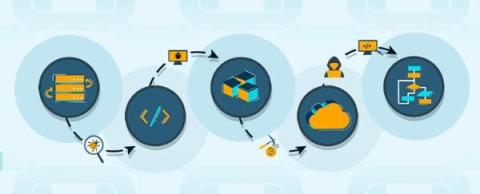
Did you know that nine out of 10 companies detected software supply chain risks in the past 12 months? The increase in the number of dependencies in a supply chain has extended the attack surface for adversaries. It has also caused threat actors to shift their focus from the downstream chain affecting just end users to the upstream chain affecting vendors, customers, and end users alike.
Today, businesses are increasingly relying on digital technologies to streamline operations and deliver seamless service. A continuously monitored, robust network infrastructure using NPM tools, like OpManager, is critical to ensure business continuity. OpManager, with its advanced AI and ML features, is capable of offering in-depth insights into visibility, network performance, and proactively notifying you of network faults.
Top tips is a weekly column where we highlight what’s trending in the tech world today and list out ways to explore these trends. This week, we’ll discuss a few hacks to keep your instant messaging secure. We all exchange texts everyday. It has easily become the most used mode of communication in the last decade. But, very few of us think about the security aspects of instant messaging. It’s time to change our mindsets.
Cyberattacks are now more sophisticated than ever. Attackers no longer even need extensive resources and infrastructure to cause major damage. A single bad Wi-Fi connection is all it takes to overthrow all the security measures your organization has in place. In this blog, we’ll look at how you can track and monitor your Wi-Fi connections to stay off an attacker’s radar.