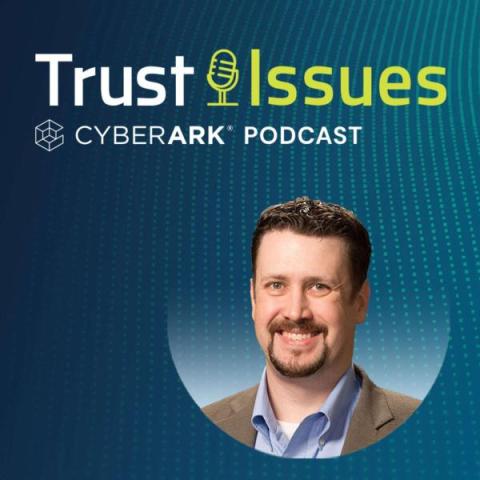
The need for strong identity security protocols for humans has been a given for years. Your organization likely has multiple layers of controls to ensure that access to sensitive assets is limited to those that need it. But a certain large, global (well…multi-global) organization that comes to mind on this May the Fourth also had layers of human identity controls that adhered to the principles of least privilege.
In the previous post (Part 1), we covered several rootkit technique implementations. Now we will focus on kernel rootkit analysis, looking at two case studies of rootkits found in the wild: Husky Rootkit and Mingloa/CopperStealer Rootkit.Through these case studies, we’ll share our insights about rootkit analysis techniques and methodology.
The detrimental effects that financial crime may have on businesses and their consumers are nothing new to the fintech sector. When it comes to money laundering, this is especially accurate. Fintechs are attractive targets for money launderers since they only offer digital services, which they believe gives them more anonymity and makes it possible for them to perpetrate crimes undetected.
The people closest to your business can sometimes cause the most damage. Yet while top-secret data leaks are headline news today, most insider threats are well-intentioned people who just screw up.
One set of valid employee credentials can provide an adversary with all they need to log into a business, move laterally, escalate privileges and achieve their goals — whether that’s removing access to accounts, terminating services, destroying data or deleting resources. Identity-based attacks are subtle, but destructive, and organizations must be on high alert for them. CrowdStrike reported 80% of cyberattacks now leverage stolen or compromised credentials.
In the ever-evolving world of technology, acronyms seem to multiply faster than ever before! From AI to IoT to CRM and SaaS, it cab be tricky to keep up to speed and make sense of what they all mean. One area that is no exception to this acronym explosion is Identity and Access Management (IDAM). As businesses increasingly prioritize data security and user privacy, IDAM has become a crucial component of their overall digital strategy.