Security | Threat Detection | Cyberattacks | DevSecOps | Compliance

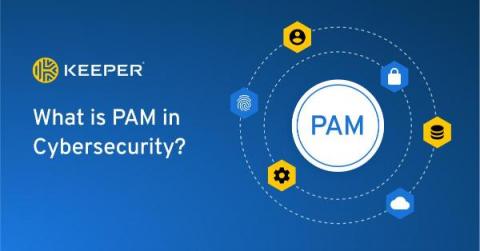
What is Privileged Access Management (PAM)? Explained

Privileged access management is a package of cybersecurity strategies and access management tools used for controlling, monitoring, and safeguarding users with privileged access permissions. PAM is widely regarded by analysts and IT teams as a valuable and critical cybersecurity platform, as it's able to achieve high-security ROI.

Keeper Security in the 2022 Gartner Magic Quadrant for Privileged Access Management

We are proud to share that Keeper Security is highlighted in the 2022 Gartner Magic Quadrant for Privileged Access Management (PAM).1 Gartner evaluated eleven PAM vendors for 2022. Keeper’s inclusion acknowledges the team’s success since launching key PAM components such as Connection Manager, Secrets Manager and Password Manager, elevating our platform beyond a password manager.

Stories from the SOC - Credential compromise and the importance of MFA

User account credentials are both a necessary component of normal operations and a critical vector for a malicious actor’s entrance into an enterprise environment. Compensating for the inherent risk of granting the end user access to corporate systems is a challenge in balancing usability with security. When a user with low-level privileges can have their credentials abused to gain increased levels of access, superior solutions to standard username-and-password schemes become necessary.

Security Benefits of Identity and Access Management (IAM)

Identity and Access Management or Identity Access Management (IAM) is a critical security function for organizations of all sizes for privileged access management. By managing access to systems and data, IAM can help mitigate the risk of information breaches and protect the organization's most valuable assets through IAM technologies.

5 Steps for Building an Agile Identity and Access Management Strategy

Traditional identity and access management (IAM) implementation methods can’t provide enough flexibility, responsiveness, and efficiency. Indeed, many organizations struggle with developing a mature IAM program according to the State of Enterprise Identity report by the Ponemon Institute. Among the key reasons for this challenge cited by respondents in the report are a lack of employee awareness, an insufficient budget, and ineffective planning.

[PAM Masterclass] Episode 4: Simplifying privileged session management

In this episode of PAM masterclass, you will learn how to launch privileged sessions by configuring remote access pathways. You will also gain insights into how admins can monitor and record live sessions and suspend malicious user activities using ManageEngine's flagship PAM suite, PAM360.

How Web3 and IAM are changing the way we use the Internet

IAM (identity access management) involves numerous IT practices to enforce identity authentication and verification. But Web3 could change how we use the internet by simplifying data protection and IAM procedures. Two factors contribute to the need for authentication practices that are both fast and accurate. One, rising cyber threat activity, and two, infrastructure changes and complexity. Now, IT teams need new ways to authorize identity credentials to adapt to an evolving environment.

The Complete Guide to Identity and Access Management (IAM)

With the rising trend of digitization, major companies like Airbnb, Microsoft and Twitter are staying out of the office, moving processes online and allowing employees the option to work from home. Organizations are adopting remote and hybrid working models. As a result, many people are spending more than double the amount of time online as they did pre-pandemic.

The Role of IAM in Maintaining Cloud Security

Cloud computing is an effective solution for large and small companies across every industry. There has been rapid adoption due in large part to its accessibility, flexibility, and reliability. The cloud environment brings a significant amount of benefits, but at the same time, it can expose businesses to various alarming cybersecurity risks. A study conducted by Thales and 451 Research revealed that 40% of respondents have experienced a data breach within their cloud environments.

What is MFA (Multi-Factor Authentication)? Learn How it Works

Multi-factor authentication (MFA) is an authentication method that requires at least two forms of verification of the user’s identity to gain access to an account, application, or data set. Instead of needing just a username and password to log in, MFA adds additional layers of security by requiring users to verify their identity. Each additional verification method can prevent unauthorized access from cybercriminals or hackers from executing a successful cyber attack.