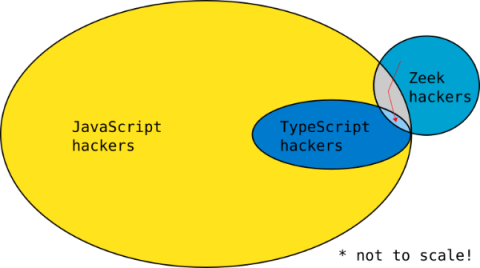
Zeek® is the world’s most widely used network security monitoring platform and is the foundation for Corelight network evidence. In this blog I share how to write a Zeek package in TypeScript with a new capability called ZeekJS that was released as part of Zeek 6.0.
The growing network perimeter is a fact of life. Attacks on corporate networks can take many forms, such as viruses, backdoors, denial of service (DoS) attacks, macros, remote logins, phishing emails, social engineering, and spam. In this evolving threat landscape, firewalls continue to play a key role in securing our networks and devices.
The main reasons internet users choose to use a virtual private network (VPN) are to protect their online identity and bypass geo-restrictions. Cybercrime is on the rise and is expected to grow each year – the largest breach of 2023 so far occurred on Twitter. For those who reside in countries where internet freedom is lacking, a VPN is necessary to access certain content, and privacy is crucial. The rise in cybercrime has resulted in increased supply and demand in the VPN market.
Firewalls form the first line of defense against intrusive hackers trying to infiltrate internal networks and steal sensitive data. They act as a barrier between networks, clearly defining the perimeters of each. The earliest generation of packet-filter firewalls were rudimentary compared to today’s next-generation firewalls, but cybercrime threats were also less sophisticated. Since then, cybersecurity vendors have added new security features to firewalls in response to emerging cyber threats.
All organizations eventually inherit outdated technology infrastructure. As new technology becomes available, old apps and services become increasingly expensive to maintain. That expense can come in a variety of forms: Cloud computing is one of the most significant developments of the past decade. Organizations are increasingly moving their legacy IT assets to new environments hosted on cloud services like Amazon Web Services or Microsoft Azure.