Security | Threat Detection | Cyberattacks | DevSecOps | Compliance

The MITRE ATT&CK Framework: Exfiltration

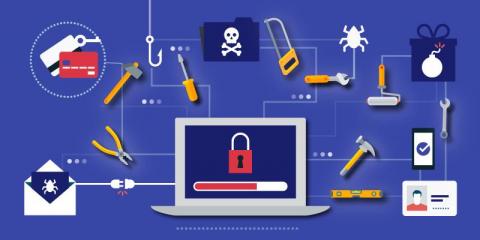
Once an attacker has established access and pivoted around to the point of gathering the necessary data, they will work on exfiltration of that data. Not all malware will reach this stage. Ransomware, for example, usually has no interest in exfiltrating data. As with the Collection tactic, there’s little guidance on how to mitigate an attacker exfiltrating data from the enterprise.

Business Continuity Requires Infrastructure Continuity in Times of Remote Working

Over the last few weeks, most organisations have had to transition to enable their employees to work remotely. The key focus has been on business continuity during this trying time. Unfortunately, business continuity isn’t so easy. Keeping the day-to-day operations of the business running has been one of the hardest IT challenges that most organisations have faced in the last decade. It’s one for which many organisations might not have had a plan in place.

Tips to Make More Impactful Decisions Related to Payments Revenue, Card Portfolio Profitability and Customer Service

Welcome to the final installment of our 3-part series featuring recommendations to help financial institutions (FIs) navigate the impact of COVID-19 on their payments business. While we have previously focused on providing tips around managing the surge in online and mobile transactions, as well as how to combat the increase in card-not-present fraud, this blog will focus on how to drive payments revenue and provide an exceptional customer experience.

BDC Interview: INETCO Uncorks Digital Payment Bottlenecks During Pandemic

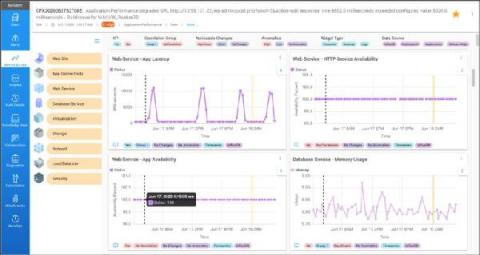
When COVID-19 caused a surge in online and mobile transactions, INETCO needed to quickly identify bottlenecks that were preventing its clients’ customers from accessing their bank accounts and making payments. Bijan Sanii, President, CEO and Co-founder, says INETCO looked at all real-time transactions to identify where every transaction was “getting stuck,” ensuring the stability of customers’ payment transactions across channels, such as mobile, online, ATMs and retail.

Understanding Single Sign On as a Means of Identity Access Management

I usually spend my mornings doing some reading and enjoying my coffee. On this one particular morning, I noticed that I had received an email from a gaming company I had created an account with around 10 years ago for my kids. They had sent me a code to confirm a login that was being done from Thailand. I had forgotten that I had even created the account. The account used a set of my credentials that had been compromised many years ago in one of the many data breaches that occur on a continuous basis.

Why OPSEC Is For Everyone, Not Just For People With Something To Hide - Part III

In this final part of the series, I discuss why everyone should consider reviewing their OPSEC (Operations Security), not just those with something to hide. If you haven’t read the previous articles then please check them out first (Part I & Part II), as they provide key background information about the techniques discussed in this post.

What is Continuous Security Monitoring?

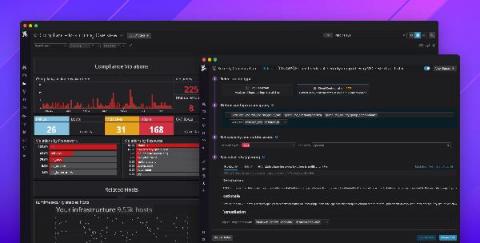
Continuous security monitoring (CSM) is a threat intelligence approach that automates the monitoring of information security controls, vulnerabilities, and other cyber threats to support organizational risk management decisions. Organizations need real-time visibility of indicators of compromise, security misconfiguration, and vulnerabilities in their infrastructure and networks.

Tips to Deliver the Level of Security and Experience Customers are Relying On

Welcome to blog 2 of our 3-part series featuring top recommendations to help financial institutions (FIs) navigate the impact of COVID-19 on their payment business. Last week’s blog shared tips to manage the surge in online and mobile banking transactions. This week, we’ll focus on card-not-present fraud. As we inch closer to June, the coronavirus continues to affect consumer purchasing behaviors – including an immense payments shift towards digital banking and e-commerce.