Security | Threat Detection | Cyberattacks | DevSecOps | Compliance

The Latest Cybersecurity News & Insights From Around The World



Phishing Campaign Targets Job Seekers With WARMCOOKIE Backdoor
A phishing campaign is impersonating recruiting firms to target job seekers with a new strain of malware, according to researchers at Elastic Security. “Since late April 2024, our team has observed new phishing campaigns leveraging lures tied to recruiting firms,” the researchers write.

Microsoft 365 Email Continuity Service - Is it Needed?
Microsoft 365 has experienced several notable outages recently. In January 2023, a major outage lasted over five hours, affecting various services, including Exchange Online. This incident was attributed to a network configuration issue during a planned update (Practical 365). Another significant outage occurred in June 2023, impacting services like Outlook, Teams, and OneDrive for several hours due to a network issue (WinBuzzer).
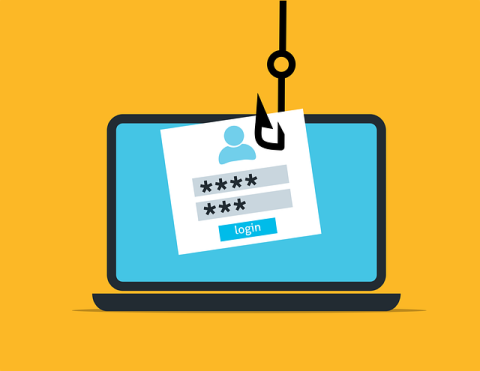
Essential Phishing Training Tips to Level Up Your Security
Phishing scams have become more common over recent years. According to experts, cyber-attacks have doubled since the onset of the COVID-19 pandemic. Phishing scams are regularly used to steal personal data and money from unsuspecting victims. According to the University of Florida, the average phishing scam costs its victims $173, although the losses can of course be much higher.

Phishing With Deepfakes for HK$200 Million
My hacker story occurred not too long ago at the Hong Kong office of an undisclosed multinational corporation. The hackers pulled off a first-of-its-kind scam that leveraged a phishing email as the initial attack vector followed by a deepfake video call. In this instance, there was enough information to establish a perceived authority for a finance worker who transferred a total of HK$200 million in 15 transactions to five different Hong Kong bank accounts until the scam was detected.
Cybercriminals Use New V3B Phishing Kit to Mimic 54 Different Banks in the European Union
A new phishing-as-a-service toolkit that leverages credential interception and anti-detection capabilities has put EU banks at severe risk of fraud. One of the growing dangers of the cyber crime economy is the phishing toolkit. Putting well-designed, expertly-coded webpages, authentication services, and obfuscation features into the hands of even a would-be cybercriminal creates havoc for the intended victim organizations.

HIPAA Email Security: A Guide for Healthcare Organizations
This article is a must-read guide on email security in healthcare. It analyzes the regulatory complexities of HIPAA, outlines practical strategies for secure communications, and sheds insights into why your healthcare organization may need to take action. By the end of reading this guide, you’ll be able to make informed choices regarding your email practices.
Business email archiving: Compliance and accessibility
This is why email compliance and archiving solutions are pivotal for shielding your electronic correspondence and ensuring it’s safely stored, retrievable, and compliant with industry regulations. The adoption of such solutions is indispensable for both private and public companies that generate large data volumes, which require extensive storage and reliable backup options for the reasons we’ll explain below.
New Research Shows An Alarming Trend of Phishing Attacks Doubling For US and European Organizations
Cybercriminals never sleep, and their aim keeps getting better. According to new research from Abnormal Security, phishing attacks targeting organizations in Europe shot up by a staggering 112.4% between April 2023 and April 2024. Meanwhile, US organizations weren't spared either, with phishing attempts increasing by 91.5% over the same period. Phishing may be an old-school social engineering tactic, but it's no joke.
New HR-Themed Credential Harvesting Phishing Attack Uses Legitimate Signature Platform Yousign
A new phishing campaign is exploiting the eSignature platform Yousign. There have been plenty of phishing attacks that leverage legitimate platforms to help establish credibility with security solutions – including online email services, web hosting, payment processors and more.