Security | Threat Detection | Cyberattacks | DevSecOps | Compliance

Get started with HaloSHARE in 3 steps

HaloSHARE streamlines and secures your workflows with internal colleagues and external partners. Here’s how you can get started in 3 simple steps. Digital supply chains require seamless workflows to function. Be it large multi-partner infrastructure projects or two-way collaboration with a custom parts supplier, digital supply chain security measures must therefore improve - not impede - the production process.


AI and Human Expertise: A Key Alliance in Cybersecurity

While many cybersecurity tasks - like log monitoring, event correlation, or alert classification - are repetitive and operational, they can be exhausting for professionals in the field. Artificial intelligence (AI) has become a key enabler for automating processes, reducing false positives, and optimizing incident prioritization. However, this does not mean cybersecurity can do without essential human abilities such as creativity and critical thinking.

5 Tips to Build Cloud Cyber Resilience

Cloud cyber resiliency means a company can handle cyberattacks and recover fast to keep its cloud services running. It’s about creating systems that expect issues—like attacks, errors, or technical issues—and act quickly to reduce harm. This ability is now very important because businesses depend more and more on cloud systems to run their work. Factors driving this urgency include: Organizations find it hard to keep up with innovation and flexibility while staying secure.

AI Trust in Action: How Snyk Agent Redefines Secure Development

One word defines success or failure in the race to adopt AI in security workflows: trust. While the industry moves fast toward automation and autonomy, adoption often stalls when developers and the teams supporting them can’t trust what the AI delivers. It’s not enough for a tool to explain what it did. Developers want to know: Did it actually fix the problem? Will this change break something else? Can I rely on it again next time? Nowhere is that skepticism more justified than in security.

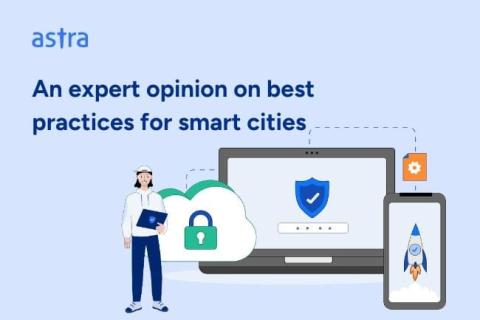
Cybersecurity Best Practices for Smart Cities

Cities worldwide consume ~66% of global energy, account for ~3/4th of GHG emissions, and host over a billion people in informal settlements with barely enough to survive. This underlines the need to create sustainable, connected, and inclusive urban areas that offer a decent quality of life, since by 2050, 7 out of 10 people globally are estimated to live in such regions.

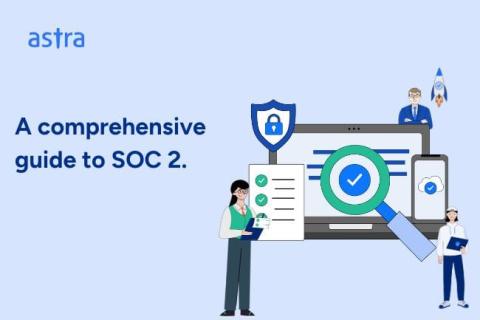
SOC 2 Compliance and Vulnerability Scanning: A Complete Guide

With 5+ vulnerabilities being discovered every minute, a SOC 2 (System and Organization Controls 2) compliance certificate demonstrates to customers and partners that the organization is committed to security and adheres to industry best practices for safeguarding data. Apart from customer trust, it can help organizations find and fix security vulnerabilities before attackers can exploit them.

CrowdStrike and Microsoft Unite to Harmonize Cyber Threat Attribution

In cybersecurity, understanding an adversary’s identity, capabilities, and intent is critical to intelligent cyber defense. Attribution matters. Despite cyber threat intelligence tracking a multitude of threat actors for many decades, accurately attributing malicious activity continues to be difficult. Vendors and researchers often see different parts of the same puzzle — or entirely different puzzles — due to differences in telemetry.

How Content Marketing Can Educate and Convert in the Security Space

In the rapidly evolving security industry, where trust and knowledge are critical, content marketing has emerged as a powerful strategy. It's no longer enough to simply showcase your product features. Instead, brands must educate their audience on complex security challenges and guide them toward effective solutions. This approach not only builds credibility but also drives conversions by addressing real customer pain points. In this blog, we explore how security companies can use content marketing to both educate and convert their audience.

What is Multi-Level Security (MLS) and why is it important?

Implementing the right separation and information protection needed to meet defense and national security requirements is often challenging. As government and defense organisations continue to face increasingly sophisticated threats, cybersecurity must evolve to incorporate new technologies and methodologies where applicable. Dynamic Multi-Level Security (MLS) offers a solution.