Security | Threat Detection | Cyberattacks | DevSecOps | Compliance

How to Safeguard Customer Data with a Secure POS System

Protecting customer data isn't just good business practice-it's essential. For small businesses, the point of sale (POS) system is often the first line of defense against data breaches. A POS system for small businesses needs to be efficient and secure. Let's dive into how you can safeguard your customers' sensitive information through a robust and secure POS system.

Detecting and Mitigating Remote Code Execution Exploits in CUPS

On September 26th, 2024, details were released about several vulnerabilities in the Common Unix Printing System (CUPS) package. A total of four CVE’s (CVE-2024-47176, CVE-2024-47076, CVE-2024-47175, and CVE-2024-47177) have been released, affecting many Unix and Linux distributions. Three of the vulnerabilities are rated High, while one is rated Critical. If left unpatched, a remote attacker is able to execute arbitrary commands on the affected system.

CUPS: Unraveling a Critical Vulnerability Chain in Unix Printing Systems

A series of critical vulnerabilities has been uncovered in the Common Unix Printing System (CUPS), specifically in the cups-browsed component and related libraries. This vulnerability chain allows remote, unauthenticated attackers to potentially execute arbitrary code with root privileges on affected systems. The discovery highlights significant security risks in a widely-used open-source component and raises crucial questions about legacy system support and security in modern IT environments.

How It Works: Securing Gaming Servers From Cyber Threats

Whether you're a player or developer, you want gaming servers to stay secure. Unfortunately this is getting harder by the day, since malicious actors are always inventing new ways to cause chaos. You might be aware of the basic measures that are used to keep the infrastructure that supports top tier online experiences out of harm's way. But today's hackers are too cunning to get held back by these.

Five worthy reads: Cyberattacks in the banking industry

Five worthy reads is a regular column on five noteworthy items we’ve discovered while researching trending and timeless topics. This week, we explore cyberattacks in the banking industry. Gone are the days when paychecks were rolled out in envelopes on payday. We’ve evolved from juggling between counters to deposit a check to managing everything through a single mobile banking application. Indeed, modern banking saves us time and encourages self-service.

Understanding DNS: What is DNS over HTTPS (DoH)?

DNS (Domain Name System) is a key component of the Internet infrastructure. DNS functions as a distributed directory service that translates human-readable domain names into machine-readable IP addresses. When you type a website address into your browser, the DNS system helps your browser find the right server on the internet. DNS uses a hierarchical and distributed database to manage the mapping of domain names to IP addresses.

Business impersonation: is your KYB strategy up to the challenge?

A webinar recap with Bolt and About Fraud. Jeff Sakasegawa is Persona's trust & safety architect. Prior to Persona, Jeff worked in fraud and compliance operations at Square, Facebook, and Google. Jeff Sakasegawa is Persona's trust & safety architect. Prior to Persona, Jeff worked in fraud and compliance operations at Square, Facebook, and Google.

SaaS Security Posture Management/SSPM: A Must-Have for Securing Your SaaS Applications

As more companies adopt Software-as-a-Service (SaaS) apps, keeping these cloud-based systems secure has become crucial. While SaaS offers convenience, scalability, and flexibility, it also introduces significant security risks. Organizations must actively monitor and control the security of their SaaS environments. SaaS Security Posture Management / SSPM is becoming an essential tool for this task.

When Is ISO 27001 Considered Mandatory? 5 Examples

ISO 27001 is the international standard for information security and protection. It’s roughly equivalent to similar infosec frameworks in the United States, like FedRAMP and CMMC, but the international development, maintenance, and scope of the ISO framework makes it much more commonly seen outside of US Government contracting. In the US, it’s clear that a security framework mandated by the government is required when working as a contractor for the government. What about ISO 27001?

What is NIST 800-53?

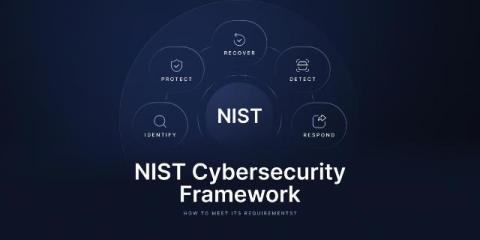
Imagine compliance is like a driving application. You know your location and you plug in the destination address, then it shows you the route’s overview. If you want a more specific map, you can zoom in a bit and get more details. Similarly, the National Institute of Standards and Technology (NIST) Cybersecurity Framework (CSF) and it’s most recent revision provide the overview roadmap for your compliance journey.