Security | Threat Detection | Cyberattacks | DevSecOps | Compliance

How to Perform an IT Cyber Security Risk Assessment: Step-by-Step Guide

A cyber security risk assessment is about understanding, managing, controlling and mitigating cyber risk across your organization. It is a crucial part of any organization's risk management strategy and data protection efforts. Risk assessments are nothing new and whether you like it or not, if you work in information security, you are in the risk management business.

How to Prioritise Cybersecurity Budgets in 2022

As we approach the new year, many organisations will be working out how to prioritize cybersecurity budgets in 2022. However, with the threat landscape evolving so quickly, what may have offered sufficient protection last year, might no longer be viable. This means security leaders will need to complete an evaluation of their organisation’s security posture.

What is Third-Party Risk Management?

Creating and maintaining relationships with third parties brings about multiple risks. Whether your organization is large or small, it’s almost certain that you have business relationships with many third parties for specific types of operations. When operational data and confidential information are exchanged with third parties, that data and information are vulnerable to misuse and exploitation. This is where risk comes into the equation.

Impact WA Cybersecurity Webinar

Impact Washington, through the US Department of Defense Office of Economic Adjustment and Department of Commerce, is assisting small to medium size businesses in Washington state with Cybersecurity Readiness as the emerging Cybersecurity Maturity Model Certification (CMMC) regulations will be required for all federal contractors and their subcontractors in the near future.

Making the Most of a Hardening Market for Cyber Insurance - Kovrr

Join us for a webinar that discusses alternative data points insurers can use to make more data-driven decisions for their renewal strategy focused on policy profitability. Included in the pannel discussion is Laura Johnson, Cyber Practice Head, Chauser, Visesh Gosrani, Chair of the IFoA Cyber Risk Working Party, Amir Kessler, Cyber Risk Expert & Product Manager, Koverr and Marty Ellingsworth, Senior Analyst, Celent.

Understanding Cybersecurity Supply Chain Risk Management (C-SCRM)

Cybersecurity Supply Chain Risk Management (C-SCRM) deals with more than protecting an organization from cyber-attacks on third parties. It also addresses third parties to those third parties (known as “fourth parties”). Further still, a vendor to your vendor’s vendor is a fifth party, then a sixth party, etc. Your SCRM should involve knowledge of how far, complex and even convoluted your supply chain is. Then measure this complexity with your risk appetite.

Security risk assessments explained

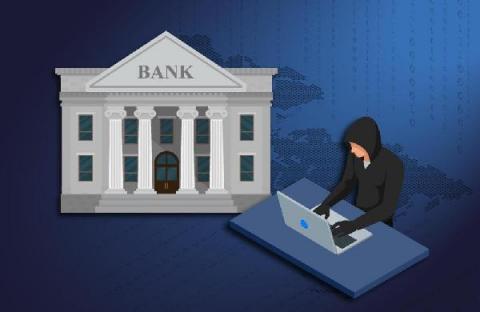
This blog was written by a third party author. A security risk assessment is a formal method for evaluating an organization's cybersecurity risk posture. Comprehensive security risk assessments take stock in business objectives, existing security controls, and the risk environment in which the business operates. When done well, the assessment identifies security gaps in existing controls as compared with industry best practices.

Supply Chain Risk Management - What You Need to Know to Build a Successful SCRM Program

There is a story from years ago about a warehouse network of computers that was separated from the main network. Those machines were running older OSes. But since they weren’t connected to the company network, didn’t hold company data, and only ran the warehouse machines, they were deemed secure. One day, the sysadmin noticed that all of those computers had a glitch at the same time. He remotely rebooted and went back to his desk. But they all glitched again. What happened?

What Is a Cybersecurity Audit and Why Does it Matter?

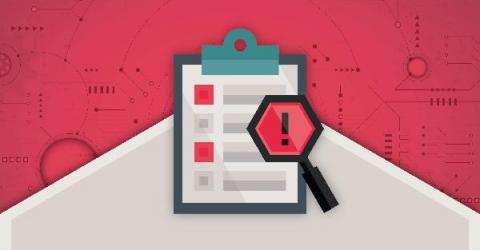
As organizations embrace new digital technologies, the risk of cybersecurity threats is growing steadily. Digital transformation is increasing network complexity, which often creates security weaknesses and potential entry points for cyber adversaries to exploit. If left unaddressed, these cyber risks can disrupt business processes and harm goals. Therefore, effective cybersecurity policies and programs have become essential. A critical element of these programs is conducting regular cybersecurity audits.