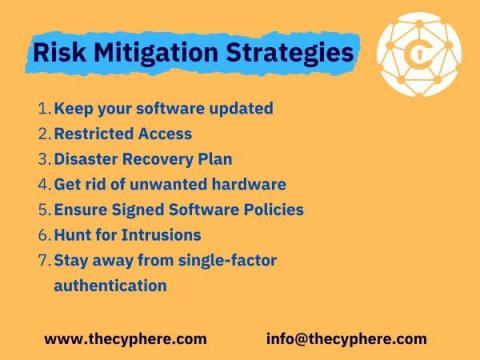
Inherent risks include all risks that are present without any security controls. Residual risks are the risks that remain after security controls are implemented. Residual risks are inevitable. Even with an abundance of security controls, vestiges of residual risks will remain that could expose your sensitive data to cyber attacks.This is because the proliferation of digital transformation expands the digital landscape, creating more attack vectors.
Residual risk is the threat or vulnerability that remains after all risk treatment and remediation efforts have been implemented. Even with an astute vulnerability sanitation program, there will always be vestiges of risks that remain, these are residual risks. Because they will always be present, the process of managing residual risk involves setting an acceptable threshold and then implementing programs and solutions to mitigate all risks below that threshold.
DLP security strategies, benefits explained The threat landscape is a constantly evolving challenge for enterprise security professionals – the number of cyberattacks is continuing to rise, data exfiltration is now included in 70% of ransomware attacks, and insiders are responsible for 30% of all data breaches. As a result, enterprises are constantly looking for ways to reduce the risk of sensitive data being leaked outside the company.
Inherent risks are the cyber risks and vulnerabilities within an organization before security measures are implemented. In contrast, residual risk is calculated after cybersecurity protections have been put in place to protect against all of these inherent risks; its calculation includes every possible attack vector that could affect a system or data.