Security | Threat Detection | Cyberattacks | DevSecOps | Compliance

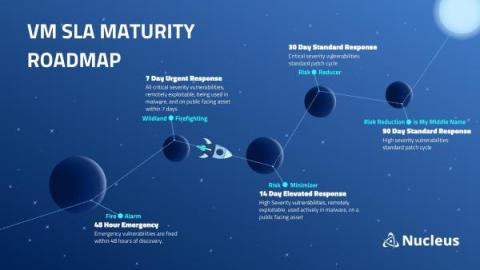
How to Adapt Vulnerability Management Service Level Agreements (SLAs) to Team Maturity

In working with customers across different enterprises and experiencing it myself, the challenges in managing vulnerabilities effectively are felt. Drawing from the insights of customers and my experiences, I’ve learned much about using Service Level Agreements (SLAs) in the vulnerability remediation process.

The Need For a Shift Up Strategy, Using CRQ for Resilience, Part 1

In the cyber age, data has become nearly as valuable as oil. While this market shift offers many new learning and growth opportunities for professionals across industries, the immeasurable amount of data is often quite overwhelming to non-analysts, leaving them feeling more lost than when they began their inquiries. ‍ This situation often rings true for cybersecurity leaders tasked with protecting an organization's digital assets against attacks and increasingly malicious actors.

Shadow IT, Hidden Risk, and the insights that drive action to reduce exposure

The annual doctor wellness check always interests me. It’s generally the same routine every year: The doctor and I exchange pleasantries. She asks about any noticeable health changes while looking in my ears with that cool little penlight. If I’m lucky, she uses the mini-hammer to see how high my leg kicks after a gentle knee tap (I just love that for some reason). But it’s all a bit of a show, isn’t it?

ShadowIT, Hidden Risk, and the insights that drive action to reduce exposure

The annual doctor wellness check always interests me. It’s generally the same routine every year: The doctor and I exchange pleasantries. She asks about any noticeable health changes while looking in my ears with that cool little penlight. If I’m lucky, she uses the mini-hammer to see how high my leg kicks after a gentle knee tap (I just love that for some reason). But it’s all a bit of a show, isn’t it?

Vendor Discovery: Automating identification of third party relationships

As organizations increasingly rely on external vendors and enterprise buying patterns continue to decentralize, the challenge of managing risk associated with third parties becomes critical. Unfortunately, even uncovering vendor relationships within an organization can be a struggle, with over 80% of workers admitting to using non-approved SaaS applications. This ‘Shadow IT’ is not only frustrating; it introduces tremendous risk.

Data Insights on AgentTesla and OriginLogger Victims

AgentTesla is a Windows malware written in.NET, designed to steal sensitive information from the victim's system. It’s considered commodity malware given its accessibility and relatively low cost. Commodity malware poses a significant threat as it enables less sophisticated cybercriminals to conduct various types of cyberattacks without requiring extensive technical knowledge. AgentTesla has been a persistent and widespread threat since its emergence in 2014.

Automating Extension Risk Assessment and Permissions

Browser extensions are a classic shadow IT concern. Assessing the reputation and security of a browser extension is crucial before installing it on a company computer, as extensions often have wide-ranging permissions that could be abused for data theft or other malicious activities. In an open environment style company, extensions generate significant shadow IT risk that needs to be managed and addressed.

Using Amazon SageMaker to Predict Risk Scores from Splunk

Splunk Enterprise and Splunk Cloud Platform, along with the premium products that are built upon them, are open platforms, which allow third party products to query data within Splunk for further use case development. In this blog, we will cover using Amazon SageMaker as the ISV product using the data within Splunk to further develop a fraud detection use case to predict future risk scores.