Security | Threat Detection | Cyberattacks | DevSecOps | Compliance

WAF is woefully insufficient in today's container-based applications: Here's why

According to the Cloud Security Alliance, the average large enterprise has 946 custom applications deployed. Traditionally, organizations deployed Web Application Firewalls (WAF), which provide visibility and enforce security controls on external traffic that passes through them, at the perimeter to protect these applications against external attacks.

What Is Zero Trust and Why Is it So Important?

You’ve heard about it. A lot. But there are quite a few nuances when it comes to how Zero Trust security is defined and discussed. Is it a platform or a principle? It’s one of those terms that’s so widely cited that it has the tendency these days to elicit eye rolls within the cybersecurity industry and to be referred to as a buzzword by those sitting at the cool kids’ lunch table.

Getting to Know Velero Backup and Important Velero Resources That You Can Utilise

Velero is an open source tool for backing up and restoring resources in a Kubernetes cluster, performing disaster recovery, and migrating resources and persistent volumes to another Kubernetes cluster. Velero backup helps many organizations protect data stored in persistent volumes and makes your entire Kubernetes cluster more resilient. Velero has been pulled over 50M times from DockerHub! It is the most popular data protection choice for the Kubernetes community.

Cerebral Unintentionally Leaks Patient Data to Google, Meta, and TikTok

Cerebral is an online mental health company that's attempting to bring mental health care to patients around the country virtually. The company deals with tens of thousands of patients, and we've just learned that many of those patients may have had their information exposed to companies like Meta, Google, and TikTok. Cerebral is a startup company, and unfortunately, it isn't that unusual for startups to suffer from data issues such as this one.

Is it Safe to Store Credit Card Information Online?

No, it is not safe to store your credit card information online, including on merchant websites or web browsers. The only way to ensure your credit card information is stored safely is if you keep it in an encrypted vault. Read on to learn more about the risks of storing your credit card information online and how you can secure your credit cards moving forward.

Seamless Response to Ransomware and a Cyber Resilience Upgrade

A major logistics company was hit by a ransomware attack at a time when it was reviewing and upgrading its cybersecurity defense. Kroll provided seamless incident response to enable the company to act quickly to mitigate and minimize the damage caused by the attack. The company also deployed Kroll Responder, Kroll’s award-winning Managed Detection and Response (MDR) solution, giving it comprehensive 24/7 visibility and management of threats and enhancing its long-term cyber resilience.

Guild Education Gives Salt an A+ for API Protection

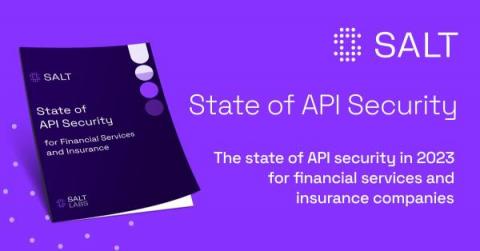
Keeping our customers’ data safe so that they can move forward with business innovation is our constant north star here at Salt. But it’s even more gratifying when our mission is in service to a higher purpose, as it is with today’s announcement of our deployment at Guild Education. With its Career Opportunity Platform, Guild Education helps employees forge a better career path through education.

3CX Hack Alert: What You Need to Know

Software supply chain compromises are becoming an increasingly common tactic used by cyber criminals to infiltrate organizations. While the SolarWinds attack 3 years ago was the most infamous, these attacks are increasingly gaining in popularity among cyber attackers. This is because it is often easier to compromise a third-party vendor or supplier than it is to attack the organization directly.

Government Frameworks and Regulations for Insider Threats

Government offices deal with sensitive information all the time. In fact, they deal with the most sensitive kinds of information—classified information, data assets requiring security clearance, or other kinds of classified material subject to additional government requirements. So how do governments deal with insider threats? The federal government has established some pretty extensive and detailed policies to keep data safe.