Security | Threat Detection | Cyberattacks | DevSecOps | Compliance

JumpCloud Announces Support for AWS Workspaces

The slow and steady progression of technology has transformed the way we work (and think about work) in so many exciting ways. The past few decades have opened new opportunities to create, automate, and manage just about everything that might exist within the IT ecosystem… but sometimes that progression creates complexity and conflict, as new technology solutions clash with existing standards and operations.

Comprehensive Guide to Cyber Insurance for MSPs

Cybercrime is as lucrative as ever, generating millions in illicit revenues for threat actors. Between 2021 and 2023, global data breaches rose by 72%, breaking all previous records. Meanwhile, data breach costs continue to rise. The average cost of an enterprise data breach in 2024 is $4.88 million — another all-time high. This puts managed service providers (MSPs) in a tight position. Cyber liability insurance can help reduce exposure to steep losses associated with cyberattacks.

Common Trends in the MSP Industry

The managed service provider (MSP) landscape is experiencing rapid evolution as businesses increasingly rely on external IT support. To gain valuable insights into the industry’s current state, we interviewed Bill Hammelman of CCP Tech and Bill Hughes of Weehooey as part of the JumpCloud Partner Success Interview series. This blog post delves into common trends and challenges faced by MSPs based on their expertise.

How Are SMEs Approaching IT Security?

Security remains a thorny issue for small- to medium-sized enterprises (SMEs), consistently topping the list of challenges for IT professionals in JumpCloud’s biannual SME IT Trends survey. In our latest edition, IT pros shared their real-world experiences and strategies around security, among other pressing topics. This blog will dive into those insights to reveal how SMEs are tackling the security landscape today.

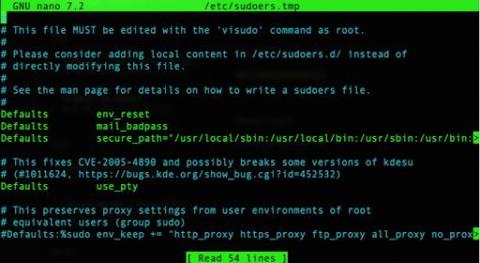
How To Manage Sudo Users in Other Distributions: Guides on Similar Procedures for Different Linux Distributions

Jump to Tutorial Managing sudo users is one of the most important administrative tasks in any Linux distribution. This process allows a permitted user to run commands as the superuser or another user, defined through security policies. This reduces the potential security threat of having unprivileged users run any command on the system, and we can also audit executed commands or apply the least privilege principle.
Featured Post

Why Shadow IT Prevails for UK SMEs

Fuelled by hybrid working models, easy access to cloud services, and the evolution of AI, shadow IT continues to be a pressing issue for UK organisations. Today, business users demand access anywhere at any time using multiple devices, while they expect their confidentiality, integrity and availability to be preserved as if they were in the office.

Ubuntu 20.04 vs 22.04: Comparing features and performance

Jump to Tutorial Ubuntu is a popular Linux distribution that has been adopted by many system administrators, developers, or everyday users who are searching for a robust and open-source operating system. Each version of Ubuntu brings new features, improvements and sometimes there are certain changes in system requirements.

Intune vs. JumpCloud for Discovering Shadow IT

People who don’t have the tool to get a job done will find one that works. That’s why shadow IT, software or services that are unaccounted for and unauthorized, exists. It may even underlie important business processes, which is why it’s extremely important to discover what’s really out there. Shadow IT creates security concerns, can impact operations, and easily becomes a roadblock on the path to digital transformation.

How AI Impacts Security at SMEs

For small and medium-sized enterprises (SMEs), staying abreast of cybersecurity developments is critical — not just to growth, but to the company’s bottom line. But security evolves quickly, and it can be hard to keep up. In the midst of this fast-evolving security environment, AI has made a bold entrance. So bold, in fact, that only 10% of SMEs aren’t using AI and don’t plan to, according to a recent JumpCloud research report.

MFA for MSPs: Benefits & Implementation of Multi-Tenant MFA

Multi-factor authentication (MFA) provides clear value to organizations pursuing cybersecurity initiatives. It provides effective identity security and dramatically reduces the risk associated with credential-based attacks and malicious insiders. However, implementing MFA consistently across the enterprise tech stack is not always easy. It’s an even bigger challenge for managed service providers (MSPs) who need to adopt different policies across a portfolio of client organizations under management.