Security | Threat Detection | Cyberattacks | DevSecOps | Compliance

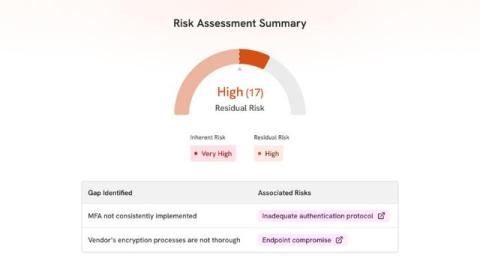
Quantifying IT risk to drive board-level security decisions

Cybersecurity threats are evolving exponentially and organizations must adopt robust strategies to safeguard their digital assets. At the intersection of technology and corporate strategy lies the critical need to quantitatively assess IT risk and communicate these realities to board members and senior leadership. This article explores the methodologies for quantifying IT risk, examines key IT risk metrics, and outlines effective communication strategies to empower board-level security decisions.

The future of continuous control monitoring in hybrid IT environments

Organizations are increasingly relying on hybrid IT environments in an era of rapid digital transformation to support their operations, innovate, and drive growth. This dynamic environment, which integrates on-premise infrastructures with cloud-based solutions, introduces unprecedented complexities and challenges for continuous control monitoring (CCM).

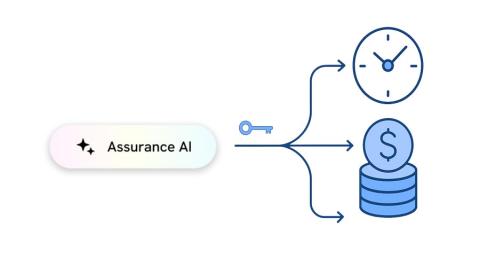
How AI is revolutionizing third-party risk assessments

Enterprises rely heavily on third-party vendors for a vast spectrum of critical services. From IT support and supply chain management to specialized consulting and cybersecurity, the reliance on external partners has increased significantly. With this reliance comes the inherent risk that these vendors may pose to enterprise operations, reputation, and regulatory compliance.

HIPAA Compliance in the Digital Age: How to Navigate Complexities and Protect Patient Data

Safeguarding patient information has become more critical than ever in today’s evolving digital healthcare landscape. As technology leaders, we must navigate the intricate maze of regulations and implement robust strategies to ensure compliance with the Health Insurance Portability and Accountability Act (HIPAA). This article delves into the nuances of HIPAA compliance, offering insights and best practices to uphold healthcare privacy in the digital age.

CMMC vs. NIST: Key Differences Defense Contractors Must Understand

If you’re a defense contractor, cybersecurity compliance isn’t just a suggestion—it’s a requirement. The U.S. Department of Defense (DoD) has implemented strict cybersecurity guidelines to ensure that sensitive government information stays protected. Two major frameworks you need to be familiar with are the National Institute of Standards and Technology Special Publication 800-171 (NIST SP 800-171) and the Cybersecurity Maturity Model Certification (CMMC).

How effective security awareness training elevates cybersecurity in your organization

Cybersecurity has become a paramount concern for organizations across all sectors in the rapidly evolving digital landscape. As technology leaders, we recognize that while technological defenses are crucial, the human element often represents the most significant vulnerability. Implementing comprehensive security awareness training (SAT) is essential to fortify this human firewall, mitigate risks, and cultivate a security-conscious organizational culture.

Navigating third-party risk assessments in a changing business landscape

In today’s interconnected business environment, organizations increasingly rely on third-party vendors to enhance operational efficiency and drive innovation. For instance, consider a mid-sized retail company that partnered with a logistics provider to streamline its supply chain, resulting in a 20% reduction in delivery times. However, this dependence introduces significant risks, including data breaches, regulatory non-compliance, and operational disruptions.

ISO 27001 Tools & Services: Empower Your Business with Stronger Information Security

In today’s rapidly evolving digital ecosystem, organizations are entrusted with an unprecedented volume of data. As cyber threats become more sophisticated and compliance demands grow increasingly stringent, establishing a strong information security posture has never been more critical. ISO/IEC 27001, an internationally recognized standard, serves as the foundation for building a comprehensive Information Security Management System (ISMS).

From checkbox to confidence: Why passing the audit isn't the endgame

Every year, companies across industries breathe a collective sigh of relief when the auditors give the thumbs-up. The SOC 2, ISO 27001, PCI DSS – pick your acronym – get ticked off, and it’s back to business. But let’s be honest: how often does that success feel earned? More than a few security and compliance teams have walked out of an audit room with relief, not pride.

ISO 31000 vs. COSO ERM frameworks - Navigating the risk landscape

In an era where uncertainty is the norm, strong risk management isn’t just good practice – it’s a competitive advantage. For technology leaders steering organizations through complex challenges, two frameworks consistently rise to the top: ISO 31000 and the COSO Enterprise Risk Management (ERM) framework. Knowing how they differ – and where each shines – is key to building resilience and making smarter, strategy-aligned decisions.