Security | Threat Detection | Cyberattacks | DevSecOps | Compliance

What is zero trust security in SaaS applications? A practical implementation guide

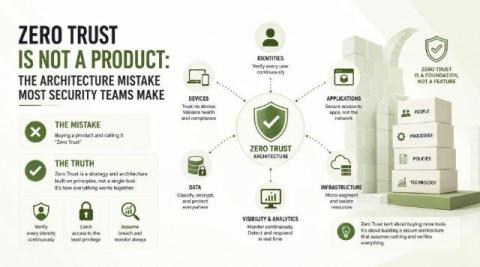
Zero trust used to sound like yet another security buzzword. In SaaS environments, it has turned into something far more practical: a way to keep your business moving fast without assuming that anything or anyone is safe just because they are “inside” your systems. Zero trust in SaaS is about treating every login, every device, and every request as something you verify in real time instead of something you blindly trust because it passed a VPN check once.

Powerful crypto compliance: A clear guide to regulatory success

Cryptocurrency represents more than just a disruptive financial innovation; it’s a bold experiment in how value circulates. But beneath every blockchain transaction lies a complex web of regulation, fragmented jurisdictions, and growing scrutiny. Organizations today must navigate these challenges carefully or risk legal penalties, reputational harm, and operational setbacks. Across the globe, urgency around crypto oversight is intensifying.

Why CISOs should prioritize continuous control monitoring in 2026

In a recent roundup of strategic initiatives for CISOs, I argued that continuous assurance is the 2026 operating model. Across all ten initiatives, the pattern was clear. Security is no longer being evaluated by effort, it’s being evaluated by outcomes. Boards, customers, and regulators are no longer asking what tools you deployed or how busy your security team is. They are asking a simpler, harder question: Can you prove that your controls are working right now?

Empowering CISOs with AI: Discover powerful hopes and real risks

Artificial intelligence has become the ultimate paradox for today’s security leaders: it is simultaneously their sharpest new instrument and their biggest emerging attack surface. As boards push hard to “put AI everywhere,” CISOs must balance innovation with accountability, often in environments where AI pilots are already live before security is invited to the table.

Backup policy template guide: essential, safe & simple

Most teams only realize they need a backup policy after something goes wrong and by then, it’s too late. A clear, practical backup policy doesn’t just tick a compliance box; it keeps your business running when systems fail, ransomware hits, or someone accidentally deletes production data. This guide walks you through a ready-to-use backup policy template so you can define what to back up, how often, where it lives, and who is accountable, without starting from a blank page.

Mastering HIPAA compliance in telemedicine: Secure remote healthcare delivery in 2026

Telemedicine has revolutionized healthcare delivery, enabling patients to access medical consultations from the comfort of their homes. However, this shift to virtual care necessitates strict adherence to the Health Insurance Portability and Accountability Act (HIPAA) to ensure the protection of patient privacy and the security of electronic health information.

Powerful antivirus guidance for Macfirst organizations in 2026

Businesses with a Mac-first strategy have long enjoyed the perception of inherent security from the Unix-based operating system. However, as 2026 unfolds, the digital threat landscape evolves rapidly, and Mac-first organizations are now facing a range of sophisticated cyber risks.

GRC impact: Challenges to opportunities of remote work

As organizations worldwide recalibrate their operations in the wake of unprecedented change, remote work has emerged not simply as a fleeting trend but as a mainstay of modern business. For compliance experts and leaders alike, this shift has introduced a complex interplay of governance, risk management, and compliance (GRC) challenges and opportunities.

Automating third-party risk for faster, smarter compliance in 2026

Leaders face an ever-greater array of risks in their supply chains and partner networks. One key area of concern is third-party risk, which has traditionally been managed using spreadsheets and manual processes. However, as the complexity and volume of relationships grow, the limitations of these methods have become increasingly evident. The transformation towards modern systems is not a luxury; it is a strategic imperative.