Security | Threat Detection | Cyberattacks | DevSecOps | Compliance

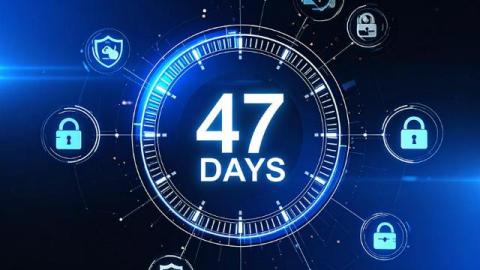
TLS action lead time is closing: 5 practical steps to prepare for 47-day TLS certificates

Have you ever been on a tight deadline, and suddenly, your organization’s core services go dark because a TLS certificate expired without warning? It’s a nightmare scenario no team wants to face. Now, picture this happening eight times more often. Starting in 2029, every public TLS certificate will have a maximum lifespan of just 47 days. Compared to today’s 398-day validity, this represents a seismic shift in digital security practices. And the ripple effects will be hard to ignore.

Federal IT Modernization: Balancing Efficiency with Advanced Cybersecurity

As 2025 unfolds, U.S. federal agencies are navigating significant operational shifts that are impacting their overarching cybersecurity strategies. Government security leaders have always emphasized stringent cybersecurity practices in the face of dynamic threats.

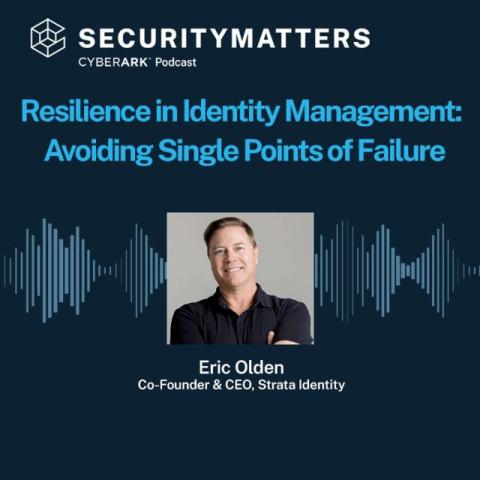
EP 7- Resilience in Identity Management: Avoiding Single Points of Failure

In this episode of Security Matters, host David Puner sits down with Eric Olden, co-founder and CEO of Strata Identity, and a pioneer in modern identity management. Eric shares his career journey, from founding Simplified to leading Oracle’s global identity division, and discusses the critical importance of resilience in identity systems.

Securing OpenShift Virtualization with CyberArk: Identity Security for VMs and Containers

As organizations modernize IT infrastructure, many are adopting platforms like OpenShift Virtualization to run both traditional virtual machines (VMs) and containerized workloads on a single, unified environment. This hybrid model enables greater flexibility and efficiency, but it also introduces significant security complexity. Managing privileged access across VMs, containers and the OpenShift control plane requires a consistent, scalable and secure approach. That’s where CyberArk comes in.

Securing Red Hat OpenShift Virtualization with CyberArk: Identity Security for VMs and Containers

As organizations modernize IT infrastructure, many are adopting platforms like Red Hat OpenShift Virtualization to run both traditional virtual machines (VMs) and containerized workloads on a single, unified environment. This hybrid model enables greater flexibility and efficiency, but it also introduces significant security complexity. Managing privileged access across VMs, containers and the Red Hat OpenShift control plane requires a consistent, scalable and secure approach.

How Poor User Experience (UX) Can Undermine Your Enterprise Security

For years, cybersecurity has been chasing a future where passwords no longer exist. And yet, here we are in 2025—still resetting them, reusing them and getting breached because of them. The reality is this: despite all the talk about passwordless authentication, we still live in a password-dependent world. Credentials remain the No. 1 attack vector.

Precision in Machine Identity: Securing the NHIs That Matter

Imagine walking into your next board meeting and saying, “We need to secure all the non-humans.” You can probably picture the reactions: furrowed brows, confused glances—not exactly a solid foundation for fostering an effective identity and access management (IAM) strategy. But lately, there’s been a lot of discussion about all-encompassing terms like non-human identity (NHI).

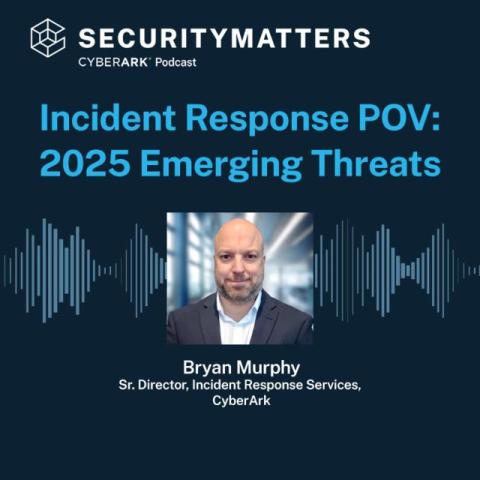
EP 6 - Incident Response POV: 2025 Emerging Threats

In this episode of Security Matters, host David Puner, dives into the world of evolving cyberthreats with Bryan Murphy, Senior Director of CyberArk’s Incident Response Team. Imagine a scenario where an attacker uses AI-generated deepfakes to impersonate your company’s VP of finance, gaining unauthorized access to your environment.

Whole-of-State Cybersecurity: A Unified Approach to Protecting Government

In today’s era, where the digital landscape is as critical as the physical, the urgency to adapt and reinforce our cybersecurity infrastructure is more pressing than ever. For government operations, where data breaches and cyberattacks frequently make the headlines, adopting a whole-of-state approach to cybersecurity isn’t just a precaution—it’s a strategic imperative to protect our communities and safeguard our future.