Security | Threat Detection | Cyberattacks | DevSecOps | Compliance

Get to know our new Domains page

Earlier this year, we launched a new Domains page to give you more powerful and flexible attack surface insights. When the recent CUPS vulnerability hit the news, our new page quickly allowed users to create a policy to detect potential threats on port 631—something that wasn’t possible before. Since then, we’ve rolled out dozens of improvements to help security teams like yours feel more confident in managing their ever-changing attack surface.

All in on flexible and efficient integrations

Our users secure products and services developed by dozens of distributed technical teams. They rely on tools like Detectify to prioritize and triage vulnerability findings onward to development teams to remediate. This process is anything but straightforward, which is why we’re excited to see our users utilize our integration platform in ways that help them work efficiently alongside their tech teams.

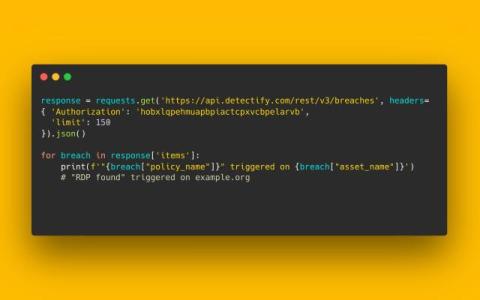
Alerts on Policy Breaches Now Available via API

All Surface Monitoring users can configure Attack Surface Policies directly from the new Domains page, enabling various combinations of characteristics that were previously unavailable. Users are now alerted when policy breaches occur directly through their integrated tools, such as Slack and Jira.

Security Update: Critical CUPS Vulnerability

A critical chained vulnerability (CVE-2024-47076, CVE-2024-47175, CVE-2024-47176, and CVE-2024-47177) has been detected within the open-source printing system CUPS (present in most Linux distributions). Attackers can achieve remote code execution, potentially leading to complete control of the vulnerable system. Detectify customers can assess whether their systems are running affected versions of CUPS.

Launching new domains view and enhanced policies for unprecedented control over attack surface data

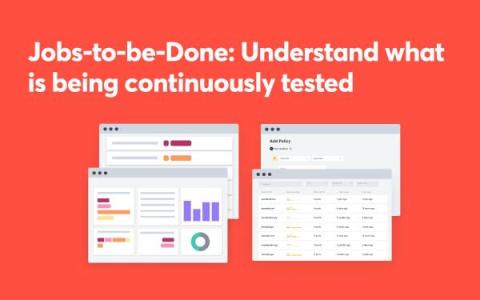
We’ve recently announced a new Domains page and major improvements to existing capabilities for setting custom attack surface policies. These updates bring unprecedented control over attack surface data and enable organizations to seamlessly configure alerts for policy breaches based on their unique definition of risk, a feature unmatched by any other player in the EASM space. With the new Domains page and the major improvements to Attack Surface Policies, customers can benefit from.

Detectify is now available on AWS Marketplace

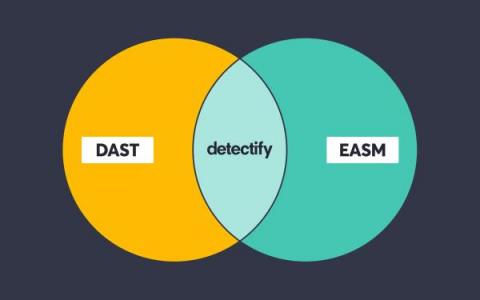
We’re pleased to share that our External Attack Surface Management (EASM) solution is now available on AWS Marketplace through private offer. Our inclusion means that our customers can now more conveniently and easily purchase both Surface Monitoring and Application Scanning for comprehensive attack surface coverage.

Significant changes to attack surface overview and many new tests

The new attack surface overview puts the changes and potential risky exposures to your attack surface front and center. But that’s not all we’ve shipped in February. We’ve improved our Azure domain connector, simplifying onboarding for those users, and sent dozens of new vulnerability tests, such as CVE-2024-27199: TeamCity Authentication Bypass and CVE-2024-21893: Ivanti Connect Secure, Policy Secure SSRF.

Improving domain discovery with new connectors

Our new domain connector simplifies and expands support for organizations integrating cloud providers to Detectify. Security teams can now have even greater confidence in the security posture of their attack surface, with increased visibility into the identification, inventorying, and continuous monitoring of the latest vulnerabilities and exposures.

EASM in 2023 - shortcomings with CVE-overreliance and flaws in security scoring systems

For starters, it’s no surprise that the findings revealed that organizations’ most prominent threats during 2023 are vulnerabilities not covered by common disclosure processes, like CVEs. Detectify CEO Rickard Carlsson has been talking about this for some time – his article on the trouble with CVEs and vulnerability management in modern tech stacks demonstrates the risks associated with an overly reliant approach to established methods.