What is a Right-to-Left Override Attack?
The right-to-left override attack may be unassuming but incredibly malicious. Most people have heard about phishing attacks, but they think that opening a file with the ".txt" extension is harmless.


The right-to-left override attack may be unassuming but incredibly malicious. Most people have heard about phishing attacks, but they think that opening a file with the ".txt" extension is harmless.
On May 12, 2021, President Biden signed an executive order calling on federal agencies to improve their cybersecurity practices. Following the recent SolarWinds and Colonial Pipeline attacks, it is clear that security incidents can severely impact the economy and civilians' day-to-day lives and that cybersecurity needs to be a high-priority issue. We encourage you to read the full executive order.
Our current global landscape is testing resiliency. As organizations continue to shift to a remote work business model, the rush to digitally transform has created new and heightened cyber risk concerns. Protecting these digital connections needs to stay top of mind for leaders looking to help their organizations adapt to these changes while continuing to innovate. In this blog, we will look to set the cyberscene and focus on a security first mindset.
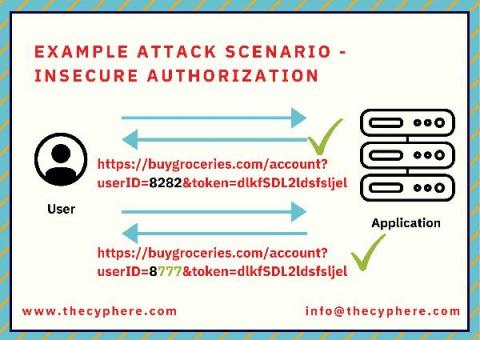
Snyk supports multiple authentication (authN) strategies on its APIs. Historically, API keys have been the primary form of authN, but more recently we introduced support for authN using signed JWTs produced as a result of an OAuth integration. This is currently in use by both our AWS CodePipeline and Bitbucket integrations. In the beginning, Snyk began with a hub and spoke architecture with a central monolith making authN decisions.
Incidents of ransomware have been increasing and evolving steadily for years as financially motivated adversaries shift tactics when one is no longer profitable. Unfortunately, many organizations haven’t been able to adapt their security operations to keep up. Back in 2019, 60% of organizations told ESG that they experienced a ransomware attack that year, with 29% reporting that attacks happened at least on a weekly basis.
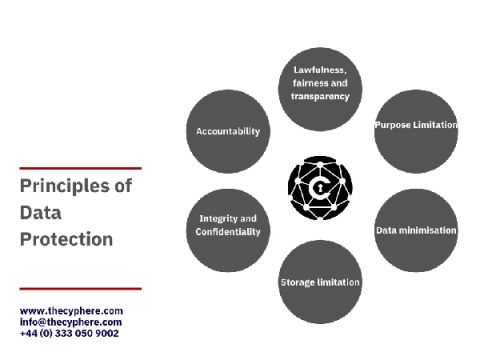
The Data Protection Act 2018 is the legislation enforced by the Information Commissioner’s Office (ICO), UK, to protect personal data processing and data stored on the computer, digital media, or paper filing systems.
Far from the days of just phone calls and text messages, mobile apps have captured our attention with efficient experiences that keep us connected to friends, family members, coworkers. It’s all at your fingertips via these amazing apps- anywhere in the world! This blog post takes you through the OWASP mobile top 10 security risks, attack scenarios from OWASP and risk remediations that help cybercriminals get their hands on sensitive data.
The July 2021 Netskope Cloud and Threat Report is the latest installment of our research analyzing critical trends in enterprise cloud use, cloud-enabled threats, and cloud data transfers. Enterprise cloud usage continues to rise, driven by collaboration and consumer apps, a continuation of a trend that started at the beginning of the COVID-19 pandemic and continues through today, as 70% of users on the Netskope Security Cloud continue to work remotely. At the same time, attackers continu
An EO is a written, signed, and published directive from the President that manages operations of the federal government, and although some EO’s require legislative approval, they effectively become law. It comes on the back of several high profile incidents involving Microsoft (Exchange), SolarWinds and the recent Colonial Pipeline incident. It is seen as a much-needed step to modernise and protect federal networks and improve information sharing between the private and US government.
SIEM (pronounced like “sim” from “simulation”), which stands for Security Information and Event Management, was conceived of as primarily a log aggregation device. However, a SIEM’s primary capabilities are to provide threat detection, better enable incident investigation, and speed up your incident response time, while also giving you a unified, holistic view of your infrastructure.