Now you can securely share 1Password files and documents with anyone
In October, we introduced a new way for 1Password customers to securely share virtually anything in their 1Password vault with anyone – even if the recipient doesn’t use 1Password.


In October, we introduced a new way for 1Password customers to securely share virtually anything in their 1Password vault with anyone – even if the recipient doesn’t use 1Password.
In the past year, research indicates that nearly a third of organizations have accelerated their plans to automate key security and IR processes, while another 85% plan on automating them in the next 12 months. Despite the positivity of these statistics, many organizations struggle to change to a more automated process. This was highlighted at a recent webinar we held with a panel of senior cybersecurity experts from a multitude of sectors.
Facebook Messenger is one of the most popular messaging platforms in the world, amassing 988 million monthly active users as of January 2022, according to Statista. One important feature of this platform is Messenger’s bot. Within the current digital landscape, chatbots are widely used by companies and individuals to connect with their customers online, and almost immediately pops up when chatting with brands or businesses.
At Sysdig, we are constantly looking for ways to improve the security posture of the organizations that we work with. One of the areas we continuously improve upon is our platform’s threat intelligence and detection capabilities that leverage the open-source Falco project. We incorporate threat intelligence sourced from our own strategically placed honeypots, data collection systems, and multiple other open-source feeds.
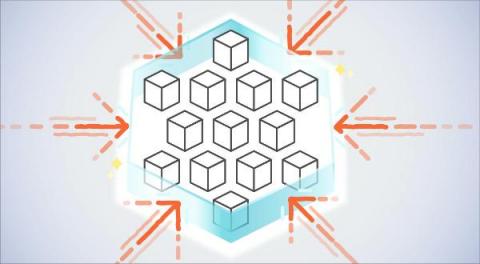
Containers revolutionized how we build, deploy, and run applications with increased speed, agility, and scalability. But, as often happens with transformative technologies, they require an evolution to security strategy. Centralized deployments inside a protected perimeter gave way to continuous and distributed deployment of containers, creating a growing, dynamic, and distributed attack surface. IT and security teams were left blind and exposed in the cloud.
Cyber attacks and data breaches are top of mind for businesses around the world as attacks on vulnerable networks persist. It is more important than ever to ensure cyber security and resilience programs are in place for your business and third-party suppliers. The information and communications technology (ICT) supply chain is a globally-interconnected ecosystem that involves CT software, hardware, and services including suppliers, vendors, and contractors.
Leaders from the SEC, Cyber Threat Alliance, and National Association of Corporate Directors recently joined with SecurityScorecard to share their insights on the state of cybersecurity risk management today. Earlier this month, the New York Department of Financial Services (NY DFS) announced efforts to modernize their supervision process, with the creation of the Cybersecurity and Information Technology Baseline Risk Questionnaire (CIBRQ).
It might sound confusing at first, but knowing who your third parties also rely on for their day-to-day business operations is key to building out a smarter and more informed vendor risk management program. Commonly known as fourth-party concentration risk, the ability to determine the fourth-party vendors in your digital supply chain that serve a majority of your third-party vendors can help organizations avoid potentially catastrophic supply chain risk from such a dependency.
SOC analysts suffer from alert fatigue caused by too many data sources and platforms, too little context in investigations, too few people, and too little time. Mature cybersecurity teams manage this challenge by leveraging an integrated set of data analytics capabilities from best-of-breed solutions to establish an end-to-end experience — from data collection to response.
As the internet grows, so does the sophistication and capabilities of cyber attacks. Cybercriminals constantly develop new ways to exploit even the most complex networks and servers. One of the newer types of attacks caused major headlines in 2020 and continues to be a force to be reckoned with for even the largest companies and organizations. It's called a double extortion ransomware attack. Becoming a victim of these vicious attacks can lead to devastating consequences.