Security | Threat Detection | Cyberattacks | DevSecOps | Compliance

Hypothesis-Driven Hunting with the PEAK Framework

Picture yourself as a cyber detective, ready to uncover the hidden threats lurking in the shadows of your organization's network. Sounds exciting, right? Well, hypothesis-driven hunting is all about channeling your inner Hercule Poirot to stay one step ahead of adversaries working against you. The PEAK threat hunting framework identifies three primary types of hunts: In this post, we’re going to look at hypothesis-driven hunting in detail.

CrowdStrike Expands Falcon Data Replicator Capabilities to Boost SOC Performance

Are you getting the most from your data? Collecting data from across your environment can provide security teams with the visibility needed to detect and respond to threats, but large volumes of data and alerts can be overwhelming and cause excessive noise. And, not all data is useful data — some details or feeds may be irrelevant for your teams, causing unnecessary complexity and bogging down infrastructure.

Wiz's Yinon Costica: Using a self-serve model to better equip organizations and improve security posture

In this season’s finale of the Future of Security Operations podcast, Thomas chats with Yinon Costica, Vice President of Product and co-founder at Wiz, the leading cloud infrastructure security platform that enables organizations to identify and remove the most pressing risks in the cloud. Yinon has more than 15 years of experience leading cybersecurity product development teams, with expertise in the cloud security market.

What is a Kerberoasting Attack and How to Prevent It

A lot of us are fascinated with technology. Any form or mention of the subject piques an interest or at least a glance of curiosity. Unfortunately, we must endure the dark side of technology as well. From the beginning of the computer age, there have always been hackers who could match their criminal expertise to current technologies. Some hackers are concerned with small scams and easy entry points.

How to Create an Robust BYOD Policy for Your Organization

Did you know that 70% of organizations have adopted a Bring Your Own Device (BYOD) policy? As technology continues to evolve, more companies are encouraging employees to use their personal devices for work purposes. While this can increase flexibility and productivity, it also poses unique challenges in terms of security and compliance. In this article, we’ll discuss.

Five worthy reads: Shielding mobile applications from cyberattackers

Five worthy reads is a regular column on five noteworthy items we’ve discovered while researching trending and timeless topics. This week, we are exploring mobile malware attacks, how they have exploited users, and the ways to prevent them in the digital era. Design Credits: Dhanwant When was the last time you took a handwritten list to the grocery store instead of saving a list as a note or voice message on WhatsApp? Mobile phones have gone through a crazy evolution.

Securing your offline remote workforce with MFA

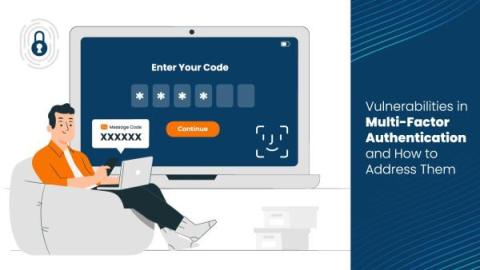
Twenty percent of IT enterprises experienced a breach due to a remote worker during the pandemic, says a report by Malwarebytes Labs. Choosing to let employees work remotely comes with pros and cons—the cons primarily being unanticipated security vulnerabilities. These vulnerabilities are more likely to occur because of employee ignorance, rather than a network or system malfunction.