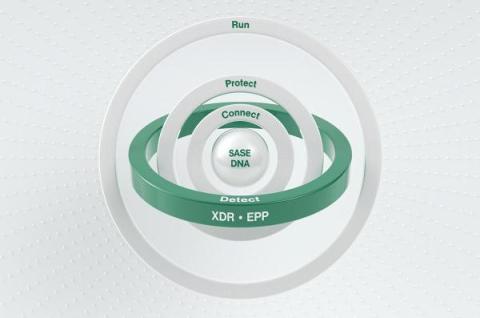
When building a tower, it helps to start with a sturdy foundation. Cyber maturity is the tower, and there are three levels that build it: Fortra occupies a unique space in the industry because of the sheer size of the security portfolio. It’s one thing to advocate for “single-vendor solutions,” but it’s another when that can pigeonhole you into simply a single solution.
In an increasingly digitized world, the threat of cybercrime looms larger than ever. The FBI's relentless pursuit of cybercriminals remains a critical defense against this growing menace. We’re well into 2023, and the FBI's Most Wanted Cybercriminals list takes center stage, highlighting the individuals who pose significant threats to our digital security. Join us in exploring their profiles and understanding our vital role in safeguarding the cyber realm.
Discover how seemingly minor mistakes, like leaking a secret to a non-publicly accessible resource, can lead to a major breach. In this engaging scenario, see how an attacker would chain vulnerabilities to access highly sensitive areas, and learn a valuable lesson along the way.
You can identify a scammer by spotting red flags such as sudden requests for your personal information, grammatical and spelling errors in emails, offers that seem too good to be true, along with other signs. Read on to learn about the red flags that can help you identify scammers and what you can do if you’ve fallen for a scam.
SaaS applications like Microsoft 365, Google Workspace, and Salesforce are now a ubiquitous part of business. With so much corporate data now residing in the cloud, a perimeter-based approach to security doesn’t cut it. To enforce cloud data protection policies across SaaS apps, a cloud access security broker (CASB) has become a necessity.
Now entering its third year in business, the phishing platform, Classicam, represents the highest evolution of an “as a service” cybercrime, aiding more than 1000 attack groups worldwide. What do cybercriminals need for a successful attack? A convincing email, a list of potential target email addresses, and a website to extract payment details, bank login credentials, etc. And it’s the last part that’s usually the barrier to market for those that want to get into cybercrime.