Security | Threat Detection | Cyberattacks | DevSecOps | Compliance

Snyk CNA adds flexibility in delivery with self-hosted version for AWS customers

There are several advantages to consuming software as a service (SaaS). For starters, it allows companies of any size to leverage enterprise-grade software (CRM, service desk, security, etc.) in a pay-as-you-go model to avoid spending large sums of money on shelfware that may never get put to use. SaaS also offers customers the ability to scale or change the usage of their software with little to no advance notice, and makes them more agile in delivering products to market.

Snyk streamlines procurement with AWS Marketplace Solution Provider Private Offers (SPPO)

For years now, modern organizations have enjoyed a seamless procurement experience when purchasing software products through AWS Marketplace. AWS has made it possible for customers to purchase third-party software using their allocated AWS budget while still being able to negotiate custom pricing and legal terms directly with their favorite vendors.

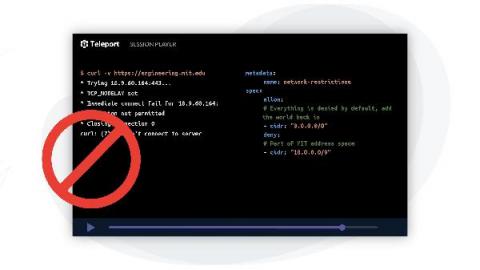
Teleport Cloud in 2021: Security Audit Results

This year we launched Teleport Cloud, a new service for providing a hosted version of Teleport Access Plane. One of the first problems the team had to tackle was how to secure the new infrastructure properly, and the team wanted to ensure the best possible results by engaging in an independent audit. As with the Teleport core product, we engaged with Doyensec to provide an independent security audit of our production environment.

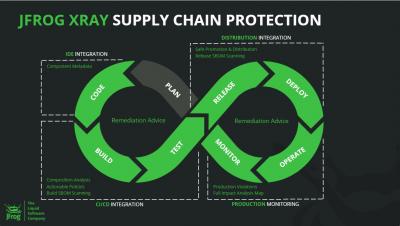
What's New with JFrog Xray and DevSecOps

As we look to improve the quality and capabilities of the JFrog DevOps Platform, especially in the world of DevSecOps, we have added powerful new features to further enhance the award-winning JFrog Xray. The capabilities detailed below cement Xray’s position as a universal software composition analysis (SCA) solution trusted by developers and DevSecOps teams globally to quickly and continuously identify open source software vulnerabilities and license compliance violations.

Trend Micro launches Cloud One Open Source Security powered by Snyk

Last summer, we announced our plan to expand our partnership with Trend Micro to provide security operations teams visibility and tracking of vulnerabilities and license risks in open source components. The long-standing partnership already includes container image security scanning that leverages Snyk’s proprietary vulnerability database.

Hack my misconfigured Kubernetes at Kubecon Europe

In the last few years, we’ve seen more and more responsibilities shift left – to development teams. With the widespread adoption of Kubernetes, we’re now seeing configurations become a developer issue first and foremost. This responsibility means that developers need to be aware of the security risks involved in their configurations.

The State of Infrastructure as Code Security at Kubecon Europe

The adoption of infrastructure-as-code and configuration-as-code is soaring with the rising popularity of technologies like Kubernetes and Terraform. This means that designing and deploying infrastructure is a developer task, even if your “developer” is an infrastructure architect, and, just like application code, configurations can use test-driven methodologies to automate security prior to deployment.

SuiteCRM: PHAR deserialization vulnerability to code execution

SuiteCRM is a free and open source Customer Relationship Management application for servers. This advisory details a PHAR deserialization vulnerability that exists in SuiteCRM which could be leveraged by an authenticated administrator to execute commands on the underlying operating system. This issue has been fixed in release 7.11.19. In PHP, PHAR (PHP Archive) files can be used to package PHP applications and PHP libraries into one archive file.

Pull Requests for Infrastructure Access

Making frequent changes to cloud applications running in production is the de-facto standard. To minimize errors, engineers use CI/CD automation, techniques like code reviews, green-blue deployments and others. Git pull requests often serve as a foundational component for triggering code reviews, Slack notifications, and subsequent automation such as testing and deployments. This automated process enforces peer reviews and creates enough visibility to minimize human error.